Button Web Ui and Ux Glass Morphism: A Modern Design Evolution
The digital landscape is constantly shifting, driven by a relentless pursuit of visual clarity and tactile engagement. Among the most significant movements in recent years is the resurgence of depth and texture in user interfaces, epitomized by Button Web Ui and Ux Glass Morphism. This design language moves away from the flat, sterile aesthetics that dominated the early 2010s, reintroducing a sense of hierarchy, layering, and materiality that feels both nostalgic and futuristic. For designers, developers, and business owners, understanding this shift is no longer optional; it is essential for creating experiences that resonate with modern user expectations.
Glass morphism, often referred to as "glassmorphism," relies on translucent backgrounds, vivid colors, and subtle blurring effects to create an illusion of frosted glass. When applied to interactive elements like buttons, it transforms simple call-to-action points into dynamic focal areas that guide the user's eye without overwhelming the interface. The result is a UI that feels alive, responsive, and intuitively structured. As we explore the nuances of this style, it becomes clear why it has become a cornerstone of contemporary web design and a vital asset for creative professionals looking to elevate their projects.
The Visual Language of Depth and Clarity
At its core, Button Web Ui and Ux Glass Morphism is about managing visual weight through transparency. Unlike flat design, which strips away shadows and gradients to achieve minimalism, glass morphism embraces them to establish a clear z-axis. A button designed with this technique sits visibly above the content behind it, creating a natural separation that improves readability and interaction rates.
This approach leverages the human brain's innate ability to process depth cues. When a user sees a semi-transparent element with a backdrop blur, they instinctively understand that it is a distinct layer, separate from the background. This cognitive ease translates directly into better user experience (UX). Users can navigate complex dashboards or vibrant landing pages more efficiently because the interface provides clear visual signals about what is clickable and what is static. The use of colorful, isolated elements further enhances this effect, ensuring that key actions stand out against busy or textured backgrounds.
For professionals working in marketing or product management, this distinction is critical. In an era where attention spans are shrinking, every pixel must work harder to capture interest. A well-executed glass morphism button does not just look good; it functions as a beacon, directing traffic toward conversion goals with elegance and precision. It bridges the gap between aesthetic appeal and functional utility, proving that beauty and usability are not mutually exclusive.
Adapting to Changing User Expectations
User habits have evolved significantly over the last decade. We have moved from desktop-centric browsing to mobile-first consumption, and now to immersive experiences across tablets, smart displays, and augmented reality interfaces. With each transition, users have developed a heightened sensitivity to visual quality. They expect applications to feel polished, premium, and cohesive. Button Web Ui and Ux Glass Morphism answers this demand by offering a sophisticated look that aligns with high-end operating systems and modern software suites.
Consider the widespread adoption of similar design languages in major platforms. From macOS Big Sur to iOS updates, the industry giants have signaled a shift toward translucency and soft focus. This top-down influence trickles down to web design, setting a new standard for what users consider "modern." When a website utilizes these familiar visual cues, it creates a sense of trust and familiarity. Users subconsciously associate the aesthetic with stability and innovation, making them more likely to engage with the content.
Furthermore, the versatility of this style allows it to adapt to various contexts. Whether designing a sleek fintech dashboard or a playful e-commerce site, the underlying principles remain consistent while the execution varies. The ability to tweak opacity, border radius, and shadow intensity means that designers can tailor the look to match specific brand identities. This flexibility is crucial for businesses aiming to maintain a unique voice while staying current with design trends.
From Screen to Print: Versatility in Application
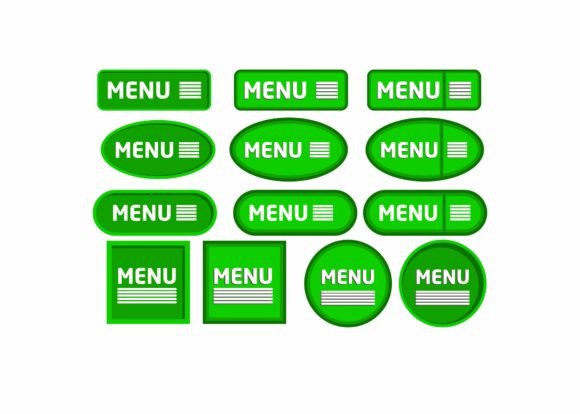
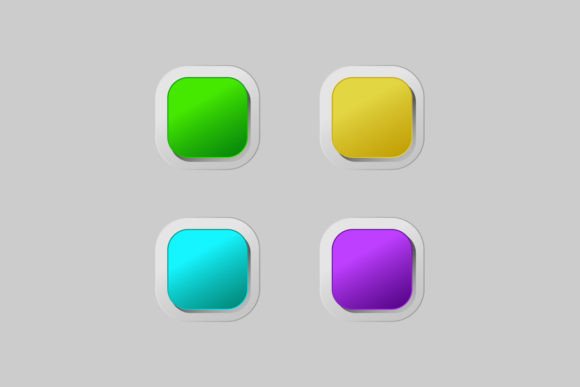
While the term "Web Ui" suggests a digital-only application, the principles of glass morphism extend far beyond the browser. The concept of Button web ui and ux glass morphism colorful isolated for print, decoration, element design and background highlights the growing demand for assets that can bridge the gap between digital and physical media. High-quality vector and raster files allow creators to repurpose these designs for brochures, packaging, event materials, and environmental graphics.
In the realm of print design, the illusion of depth created by glass morphism adds a tactile dimension that traditional flat colors cannot achieve. When printed on glossy paper or textured cardstock, the layered effect mimics real-world materials, enhancing the perceived value of the product. For decorators and interior designers, these colorful isolated elements serve as striking accents that bring a modern, tech-forward vibe to physical spaces. Whether used as wall art, signage, or promotional merchandise, the aesthetic remains impactful and relevant.
This cross-media applicability is particularly valuable for freelancers and agencies serving diverse clients. A single design system can now power a company's website, mobile app, and offline marketing campaigns. By utilizing assets that are optimized for both screen and print, businesses ensure brand consistency across all touchpoints. The availability of multiple file formats—Ai - Eps - Png - Jpg - Svg—facilitates this workflow, allowing designers to scale elements without losing quality and adjust resolutions based on the specific requirements of the medium.
Practical Implications for Creators and Businesses
For entrepreneurs and business owners, investing in high-quality design assets is an investment in brand perception. A website or marketing material that looks outdated can deter potential customers before they even read the copy. Conversely, a polished interface featuring Button Web Ui and Ux Glass Morphism communicates professionalism and attention to detail. It signals that the business cares about the user's experience and is willing to put in the effort to deliver excellence.
From a practical standpoint, using pre-designed, customizable assets accelerates the development process. Instead of spending hours crafting complex gradients and blur effects from scratch, designers can leverage ready-made components. This efficiency allows teams to focus on strategy, content, and functionality rather than getting bogged down in technical execution. The inclusion of vector formats like AI and EPS ensures that these buttons can be resized indefinitely, making them suitable for everything from a tiny mobile icon to a massive billboard.
Moreover, the trend toward colorful, isolated elements offers a strategic advantage in crowded markets. In a sea of monochromatic or overly simplistic designs, a burst of color combined with the sophistication of glass morphism can make a brand stand out. It captures attention and encourages exploration. For marketers, this translates to higher click-through rates and improved engagement metrics. The visual hierarchy established by these buttons guides users naturally through the sales funnel, reducing friction and increasing conversions.
Technical Considerations and Workflow Integration
Implementing glass morphism effectively requires a balance of artistic vision and technical precision. The choice of file format plays a pivotal role in maintaining quality across different platforms. Vector files such as Ai (Adobe Illustrator) and Eps (Encapsulated PostScript) are ideal for scalability, ensuring that the intricate details of the glass effect remain crisp at any size. These formats are particularly useful for print production and large-format displays where resolution is paramount.
For web and digital applications, raster formats like Png and Jpg offer compatibility and ease of use. PNG files, with their support for transparency, are especially well-suited for glass morphism buttons, allowing the background blur to interact seamlessly with the underlying page content. SVG (Scalable Vector Graphics) files provide the best of both worlds, combining the scalability of vectors with the interactivity required for modern web standards. They load quickly, render sharply on high-resolution screens, and can be styled dynamically with CSS.
Integrating these assets into a modern workflow involves careful planning. Designers should consider how the buttons will perform under different lighting conditions, on various screen types, and when printed on different materials. Testing is essential to ensure that the contrast ratios meet accessibility standards and that the text remains legible against the translucent backgrounds. By adhering to these best practices, creators can maximize the impact of their designs while avoiding common pitfalls associated with complex visual effects.
Looking Ahead: Sustainability and Future Trends
As we look to the future, the relevance of Button Web Ui and Ux Glass Morphism shows no signs of waning. Instead, it continues to evolve alongside advancements in display technology and user interaction models. With the rise of variable fonts, adaptive layouts, and spatial computing, the need for flexible, multi-dimensional design elements will only increase. Glass morphism provides a foundation upon which these innovations can be built, offering a versatile framework for next-generation interfaces.
Sustainability in design is another emerging consideration. By creating reusable, modular assets that work across multiple mediums, businesses can reduce waste and streamline their production processes. A single set of high-quality files can serve a campaign for months or years, adapting to new needs without requiring a complete redesign. This approach aligns with broader corporate goals of efficiency and environmental responsibility, making glass morphism not just a stylistic choice but a strategic one.
Ultimately, the enduring appeal of this design language lies in its ability to connect with people on a visceral level. It taps into our appreciation for light, texture, and depth, creating experiences that feel intuitive and engaging. For anyone involved in the creation of digital or physical products, mastering the art of Button Web Ui and Ux Glass Morphism is a powerful way to stay ahead of the curve. By embracing these techniques and leveraging the right tools, creators can build brands that are not only visually stunning but also deeply effective in achieving their goals.