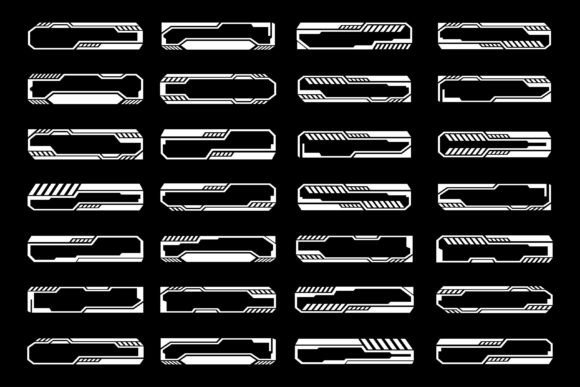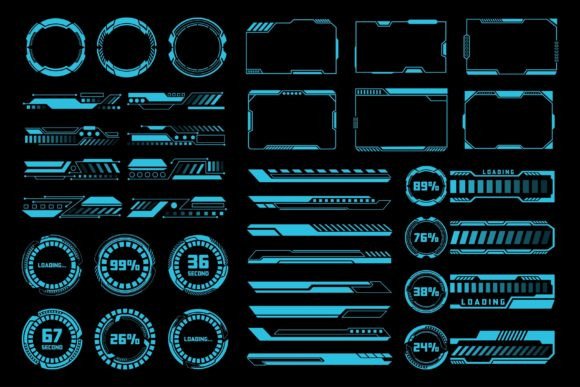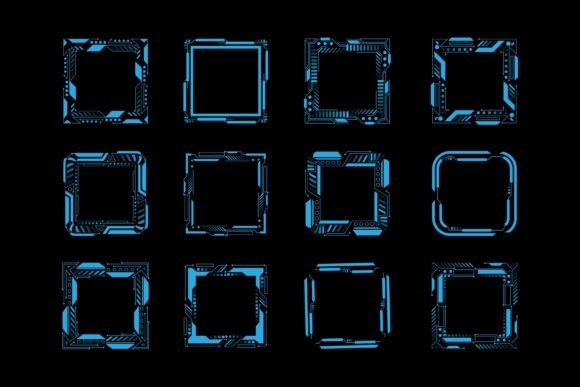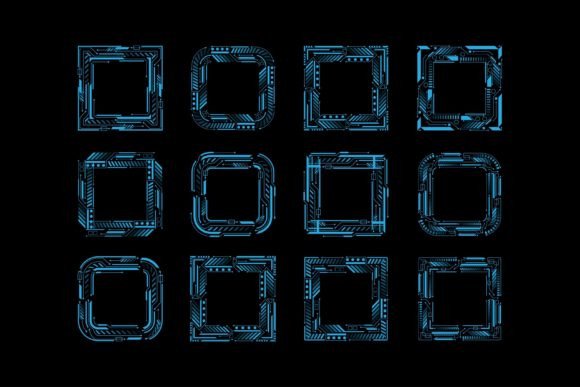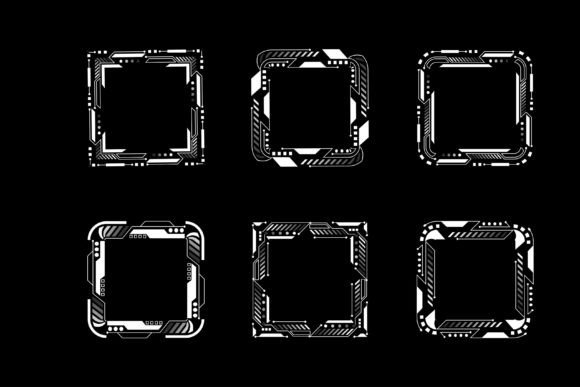
Mastering the Cyber Techno Frame HUD: The Ultimate Vector Asset for Modern Design
In the rapidly evolving landscape of digital aesthetics, few visual motifs capture the imagination quite like the futuristic interface. Whether you are designing a video game, creating a high-tech presentation, or styling a print magazine spread, the Cyber Techno Frame HUD has become an indispensable tool for designers seeking to convey precision, innovation, and a forward-thinking edge. These user interface elements do more than just look cool; they structure information in a way that feels intuitive yet advanced, bridging the gap between complex data and human perception.
The appeal of these designs lies in their versatility. A well-crafted HUD frame can transform a flat layout into a dynamic experience, suggesting layers of depth and interactivity even on static media. When you incorporate a Cyber Techno Frame HUD into your workflow, you are tapping into a visual language that audiences instantly recognize as belonging to the future. From sci-fi movie posters to corporate tech dashboards, the demand for high-quality, editable vector assets in this style continues to surge.
Why Vector Format Matters for Futuristic Interfaces
One of the most critical aspects of acquiring design assets like the Hud futuristic frames is understanding the file format. While raster images (like standard JPEGs) have their place, they often fall short when it comes to professional application. This is where the value of receiving your design in Vector format becomes immediately apparent. Vectors are mathematically defined graphics, meaning they can be scaled infinitely without losing any clarity or resolution.
Imagine you need a small icon for a mobile app header and then decide to use the same graphic as a massive backdrop for a trade show banner. With a raster image, that banner would likely appear pixelated and blurry upon enlargement. However, with a vector-based Cyber Techno Frame HUD, the lines remain crisp, the corners stay sharp, and the intricate details of the techno aesthetic remain perfectly intact regardless of size. This scalability is non-negotiable for modern designers who work across multiple mediums simultaneously.
Furthermore, the vector format opens up a world of customization. Unlike a static JPG, which is essentially a locked photograph of the design, a vector file allows you to manipulate every single element. You can change colors to match your brand guidelines, adjust the thickness of the lines, remove specific components, or add new geometric shapes. This level of control ensures that the final output is not just a generic template but a bespoke solution tailored specifically to your project's unique needs.
Seamless Integration with Adobe Illustrator and Other Tools
For professionals working within the creative industry, compatibility is key. The good news is that these Hud futuristic frames are designed to be fully compatible with industry-standard vector editing applications like Adobe Illustrator. Once you have extracted the files, opening them in Illustrator is straightforward. You will find that the artwork is organized logically, often with grouped layers that make navigation easy.
This compatibility means you can treat the Cyber Techno Frame HUD as a living part of your document. Need to align the frame with text? No problem. Want to apply a gradient mesh to give the metal parts a glowing effect? Easily done. The ability to modify the design directly within your primary workspace streamlines the production process, saving hours of time that might otherwise be spent trying to recreate similar effects from scratch.
Beyond Illustrator, many other vector editors such as CorelDRAW, Inkscape, or Affinity Designer can also handle these files, provided they support standard SVG or EPS formats. This flexibility ensures that no matter what software stack your team utilizes, the asset remains accessible and useful. It removes the friction of file conversion and allows the creative process to flow uninterrupted.
Practical Applications Across Industries
The utility of a Cyber Techno Frame HUD extends far beyond the realm of science fiction. While its origins are rooted in the visual tropes of futuristic technology, its application has permeated various industries looking to project an image of sophistication and cutting-edge capability.
- Gaming and Esports: In the gaming world, HUDs are essential for displaying player health, ammo, and maps. Custom vector frames allow game developers to create immersive overlays that fit the specific art style of their titles. For esports tournaments, these frames are used in broadcast graphics to highlight player stats and live scores with a high-energy aesthetic.
- Print Media and Publishing: Magazines focusing on technology, automotive reviews, or cyberculture often utilize these frames to break up text and create visually engaging spreads. A Cyber Techno Frame HUD can act as a border for a feature article, making the content feel like a classified dossier or a technical manual.
- Presentation Design: Corporate presentations benefit greatly from a polished look. Using futuristic frames for data visualization, charts, and key metrics can make a pitch deck stand out, suggesting that the company is innovative and data-driven.
- Web and UI/UX Design: Web designers use these elements to create "glassmorphism" effects or to frame important call-to-action sections. Even on a 2D screen, the layered look of a HUD frame adds a sense of depth that guides the user's eye effectively.
Consider a scenario where a marketing agency is launching a new smart home device. They need visuals that communicate connectivity and intelligence. By integrating a modified Hud futuristic frames design around product shots, they can visually simulate the device's interface, helping potential customers visualize how the technology works in real-time. This contextual storytelling is powerful and drives engagement.
Enhancing Backgrounds and Decorative Elements
Beyond functional interfaces, these assets serve as excellent decorative elements. A full-screen background featuring a subtle, low-opacity Cyber Techno Frame HUD can provide texture and context without overwhelming the primary content. This technique is particularly effective in slide decks or website landing pages where a plain white or black background might feel too sterile.
When used as decoration, the key is balance. The frame should enhance the composition, not distract from it. Because the files come in both Vector and JPG formats, you have the option to use the high-resolution JPG for quick mockups or web backgrounds where file size matters, while reserving the vector version for print materials where quality is paramount. This dual-format delivery ensures you always have the right tool for the job at hand.
Workflow Efficiency: From ZIP File to Final Output
Efficiency is a cornerstone of modern design workflows, and the delivery method of these assets reflects that priority. You will receive the complete collection compressed into a single ZIP File. This packaging method keeps all related files—vectors, previews, and documentation—together, preventing the common issue of missing assets scattered across different folders.
To access your new Cyber Techno Frame HUD library, the process is simple. You can use standard extraction tools like WinZIP or WinRAR if you are on Windows, or the built-in archive utilities on macOS and Linux. Often, a direct double-click on the file is sufficient to extract the contents automatically, depending on your operating system settings.
Once extracted, you will typically find a folder structure containing the main vector files (often in .AI, .EPS, or .SVG formats) alongside preview images in JPG. This organization allows you to quickly browse the available designs before committing to a specific one. If you need to customize a frame, simply open the corresponding vector file in your preferred editor. The ability to modify the design instantly means you can iterate rapidly, testing different color schemes or layouts until you achieve the perfect result.
This streamlined approach minimizes administrative overhead. Instead of spending time searching for compatible fonts or converting file formats, you can focus entirely on the creative aspects of your project. The Hud futuristic frames are ready to deploy, ensuring that your timeline remains on track.
Key Considerations for Choosing the Right HUD Design
While the versatility of these assets is a major advantage, selecting the right Cyber Techno Frame HUD for your specific project requires some thought. Not all futuristic frames are created equal, and the wrong choice can clash with your overall design language.
First, consider the complexity of the frame. Some designs are dense with data points, gauges, and intricate line work, which is perfect for a high-tech dashboard but might be too busy for a minimalist poster. Others are cleaner and more skeletal, offering a subtle nod to the future without dominating the page. Evaluate the amount of negative space in your layout and choose a frame that complements rather than competes with your content.
Color palette is another crucial factor. Although vectors are easily recolorable, starting with a base design that already leans towards your desired mood can save time. Do you want a cold, clinical blue and grey aesthetic, or something warmer with orange and red accents typical of warning systems? The initial color scheme of the Hud futuristic frames can influence the emotional tone of your project significantly.
Finally, think about the medium. If the primary use case is print, ensure the vector file includes high-contrast elements that will reproduce well on paper. For digital screens, you might prioritize designs that utilize transparency or glow effects that render beautifully on monitors. Understanding the end destination of your design helps you select the most appropriate asset from the collection.
Final Thoughts on Future-Proofing Your Designs
Investing in high-quality, editable vector assets like the Cyber Techno Frame HUD is a strategic move for any designer or creative professional. These elements offer a blend of aesthetic appeal and functional flexibility that is hard to replicate with static imagery. By leveraging the power of vector editing, you gain the freedom to adapt, scale, and refine your designs to meet the demands of any project.
Whether you are crafting a stunning print advertisement, building an immersive game interface, or elevating a corporate presentation, these futuristic frames provide the structural backbone needed to convey a message of innovation. With the ease of extraction from the ZIP file and the seamless integration into tools like Adobe Illustrator, the barrier to entry is low, while the potential for creative impact is limitless. Embrace the future of design by incorporating these dynamic elements into your next project, and watch as your work takes on a truly next-generation appearance.