Clean Line Art Graphics for Patterns: A Versatile Design Resource
In the world of visual design, there is a timeless appeal to simplicity. Clean Line Art Graphics for Patterns represent exactly that kind of aesthetic power. These are not just random scribbles or complex illustrations; they are carefully crafted designs defined by continuous strokes, minimal shading, and a focus on form and flow. Whether you are a professional graphic designer looking to streamline your workflow or a hobbyist wanting to add a touch of elegance to your home, these graphics offer a solution that bridges the gap between artistic expression and practical utility.
The beauty of this style lies in its adaptability. Unlike heavy, photo-realistic textures that can overwhelm a layout, clean line art provides structure without clutter. It creates a sense of rhythm and movement that works beautifully across various mediums. When you download a bundle containing formats like EPS, PNG, and JPG, you are essentially unlocking a toolkit that allows you to scale your ideas from a small social media icon to a massive wall mural without losing quality.
Transforming Living Spaces with Modern Aesthetics
One of the most immediate ways people utilize Clean Line Art Graphics for Patterns is within the realm of home decor. We spend a significant amount of time in our living environments, and the visual texture of our walls and fabrics plays a huge role in how we feel. Instead of relying on traditional floral prints or chaotic abstract shapes, many homeowners and interior designers are turning to line art for a contemporary look.
Consider the application of these graphics in creating custom wallpaper. By using seamless patterns derived from line art, you can cover an entire room with a design that feels airy and sophisticated. The continuous lines guide the eye around the space, making rooms feel larger and more open. This is particularly effective in modern apartments where space is at a premium.
Beyond walls, textiles offer another rich canvas. Imagine designing a set of curtains or throw pillows where the pattern consists of delicate, interlocking botanical lines or geometric flows. Because the designs are vector-based (often available as EPS files), they can be scaled up for large upholstery projects or down for smaller cushion covers without pixelation. This flexibility means you can create a cohesive look throughout your home, ensuring that your bedsheets, table runners, and drapery all share a unified visual language.
For those who prefer framed art over wall coverings, these graphics translate effortlessly into prints, posters, or canvas artwork. A simple black-and-white line drawing of a leaf or an abstract shape can become a striking focal point when printed on high-quality paper. It adds a gallery-like feel to a bedroom or office without requiring a visit to a museum.
Elevating Fashion and Personal Accessories
The fashion industry thrives on trends, yet certain styles remain perennially popular because of their versatility. Clean line art has found a strong foothold in apparel and accessories. For entrepreneurs running print-on-demand businesses or independent clothing brands, these graphics provide a cost-effective way to produce unique collections.
Applying these patterns to clothing items like t-shirts, dresses, and scarves offers a subtle yet stylish alternative to loud, colorful prints. A dress featuring a repeating line art pattern along the hem or sleeves can look incredibly chic and understated. Similarly, jackets and caps benefit from the crisp definition of line work, which remains visible even after multiple washes if printed correctly.
Accessories are another area where this style shines. Think about handbags, tote bags, shoes, or ties. A small, intricate line art motif repeated across a leather bag or woven into a fabric tie adds a layer of sophistication that mass-produced logos often lack. Furthermore, for those interested in embroidery, these graphics can be converted into stitch files. The clear, distinct lines make them ideal for machine embroidery, allowing for detailed embellishments on garments that would be difficult to achieve with more complex, shaded images.
Digital Presence and Professional Branding
In today's digital-first economy, standing out visually is crucial. Whether you are managing a brand, running a blog, or simply curating your personal social media presence, the background elements you choose matter. Clean Line Art Graphics for Patterns serve as excellent assets for digital print media because they are lightweight and do not distract from the primary content.
For social media managers, these patterns can act as stylish backgrounds for Instagram stories, Facebook posts, or YouTube thumbnails. Instead of a solid color block, a subtle line art texture adds depth and personality to a post without competing with the text overlay. It signals to the audience that attention has been paid to detail.
Web designers also leverage these assets to break up large sections of white space. Integrating line art into web layouts as dividers, footer backgrounds, or section headers can guide the user's journey through a site while maintaining a clean, uncluttered aesthetic. Since the files are often available in PNG format with transparent backgrounds, they can be layered over photos or colors seamlessly.
On the marketing side, brochures, flyers, and promotional materials benefit immensely from this style. A corporate brochure featuring elegant line art patterns conveys professionalism and modernity. It suggests that the company values clarity and precision—qualities that clients appreciate. Whether it's a startup pitch deck or a real estate flyer, these graphics help elevate the perceived value of the document.
Practical Applications in Stationery and Office Supplies
Organization and productivity often start with the tools we use every day. There is a growing market for personalized stationery that goes beyond basic functionality to include aesthetic appeal. Clean Line Art Graphics for Patterns are perfect for notebook covers, journal designs, and planner inserts.
Imagine a student or a professional starting a new year with a planner that features a calming, repetitive line pattern on the monthly overview pages. It reduces visual noise, helping the user focus on their tasks. Similarly, file folders and binders customized with these designs can bring a sense of order and style to a chaotic desk. For educators, creating worksheets or classroom decorations with these patterns can make learning materials more engaging for students without being overly distracting.
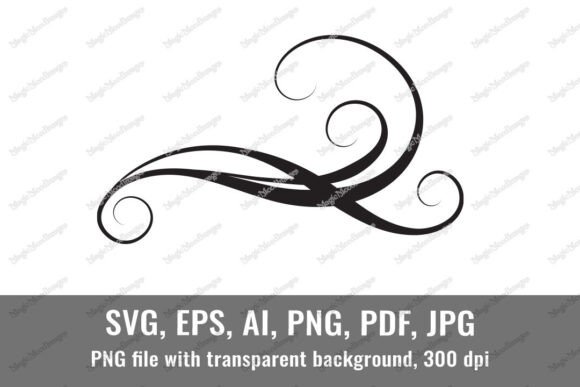
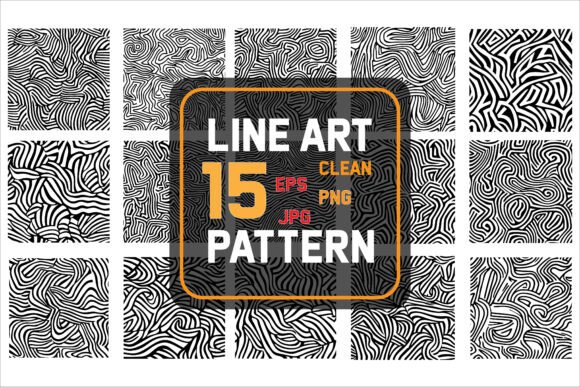
The variety of file formats included in such bundles—typically 15 EPS, 15 PNG, and 15 JPG files—ensures that users have the right tool for the job. If you need to edit the design in Illustrator, the EPS file is essential. If you need a quick drop-in for a Photoshop project, the PNG works perfectly. For general printing purposes, the JPG files provide high resolution without excessive file size. This versatility makes the resource valuable for everyone from freelance designers to DIY enthusiasts.
Choosing the Right Assets for Your Project
Before diving into a project, it is important to consider how you intend to use these graphics. While the versatility is a major selling point, understanding the technical requirements ensures the best outcome. For large-scale applications like wallpaper or billboard-sized banners, always prioritize vector formats like EPS. These allow for infinite scaling without any loss of sharpness, which is critical for maintaining the "clean" look of the line art.
If your project involves digital screens or web use, raster formats like PNG and JPG are usually sufficient and easier to manage. However, pay attention to the resolution. High-resolution files ensure that the lines remain crisp even when viewed on high-density displays like Retina screens.
Additionally, think about the context of your design. Clean line art works best when there is enough negative space to let the lines breathe. Overcrowding a design with too many patterns can negate the minimalist effect. Experiment with opacity and color overlays to see how the patterns interact with other elements in your composition.
Ultimately, Clean Line Art Graphics for Patterns are more than just decorative elements; they are functional tools that enhance communication, branding, and personal expression. Whether you are dressing a room, launching a clothing line, or organizing your digital workspace, these graphics provide a reliable foundation for creativity. By choosing resources that offer multiple formats and diverse designs, you empower yourself to tackle a wide range of projects with confidence and style.