Simple Minimalistic Design Ornament Line: A Practical Evaluation
In the realm of graphic design, the choice of decorative elements often dictates the overall tone and readability of a project. The Simple Minimalistic Design Ornament Line represents a specific category of vector art characterized by clean, uncluttered strokes, retro curl lines, and floral motifs. Unlike heavy, ornate borders that dominate a page, these designs prioritize negative space and structural elegance. For designers, hobbyists, and business owners evaluating visual assets for invitations, web interfaces, or merchandise, understanding the utility and limitations of this style is essential for making an informed selection.
Understanding the Aesthetic and Function
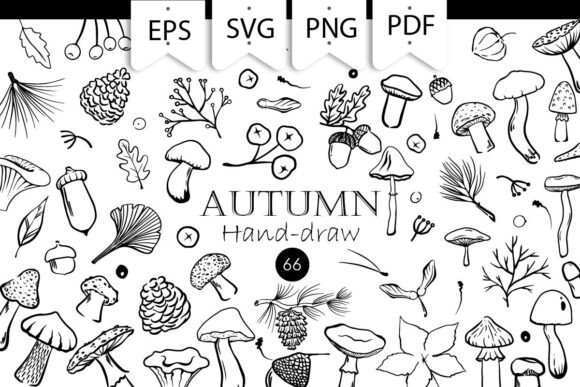
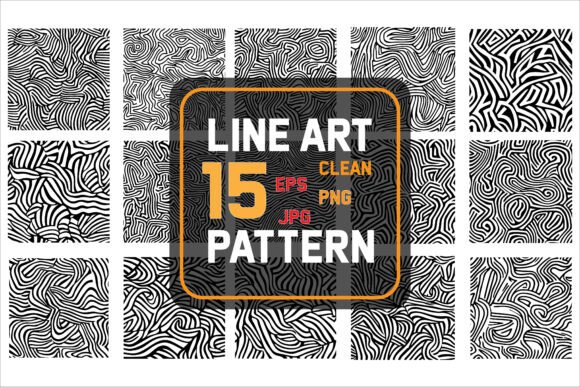
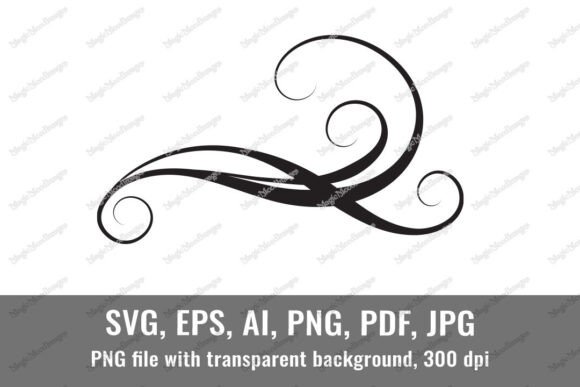
The core appeal of a Simple Minimalistic Design Ornament Line lies in its versatility. These graphics typically feature delicate line work that mimics hand-drawn sketches or classic engraving styles but with the precision of digital vector files. The inclusion of decorative floral ornaments adds a touch of organic softness without introducing visual noise. This makes them particularly effective as text dividers, page headers, or corner accents on greeting cards and booklet covers.
Functionally, these elements serve to guide the reader's eye and separate content sections without disrupting the flow of information. In a festive anniversary invitation, for instance, a minimalist line border can frame the details elegantly, ensuring the typography remains the focal point. The "retro ornament with curl lines" aspect suggests a nod to vintage aesthetics, allowing modern projects to incorporate a sense of timeless tradition while maintaining a contemporary, clean look.
Reasons to Consider This Design Style
Several factors might lead a creator to select a minimalistic line ornament over more complex alternatives. First, scalability is a significant advantage. Because these designs are typically provided in vector formats such as SVG, EPS, and AI, they can be resized from a small sticker to a large banner without losing resolution. This is critical for print projects where crisp edges are non-negotiable.
Secondly, the simplicity of the design ensures compatibility across various mediums. Whether applied to a digital mood board, a website blog post, or physical stationery, the thin lines remain legible. Furthermore, the neutral nature of black-and-white line art allows for easy color customization. A designer can apply any brand color palette to the stroke weight, making the asset adaptable to diverse branding needs without requiring a new illustration.
For those interested in sublimation printing, the high-resolution PNG and JPG files (300 DPI) included in the package offer a practical solution for applying designs to curved surfaces like cups or flat fabrics such as t-shirts and pillowcases. The transparent background ensures that the ornament integrates seamlessly with existing patterns or solid colors on the product.
Benefits and Tradeoffs
Evaluating the benefits of this specific design style requires looking at both creative flexibility and technical constraints. A primary benefit is the file format variety. Receiving a ZIP archive containing SVG, EPS, AI, PDF, PNG, and JPG files covers almost every workflow scenario. Vector files allow for infinite editing in professional software like Adobe Illustrator, while raster files (PNG/JPG) provide immediate usability for web design or quick mockups.
However, there are tradeoffs to consider. The minimalist approach, while elegant, may lack the visual impact required for certain bold marketing campaigns. If a project demands high contrast, heavy textures, or intricate detailing to grab attention immediately, a simple line ornament might feel too subtle. Additionally, the reliance on line weight means that if the design is printed on low-quality paper or viewed on a low-resolution screen, the thin lines could potentially appear faint or break up.
Another consideration is the learning curve for modification. While the files are editable, altering the geometry of a complex floral line drawing requires proficiency in vector editing tools. Users seeking a "drag-and-drop" experience without the ability to customize the curves may find the raw vector files less immediately useful than pre-styled templates.
Ideal Use Cases
The Simple Minimalistic Design Ornament Line is a strong fit for projects where elegance and readability are paramount. It excels in:
- Invitations and Stationery: Birthday party invites, wedding announcements, and anniversary cards benefit from the sophisticated yet understated look of floral line dividers.
- Web and Blog Design: As section breaks or header decorations, these ornaments add visual interest without cluttering the user interface.
- Packaging and Labels: For products aiming for a natural, artisanal, or eco-friendly aesthetic, simple line art communicates quality and purity effectively.
- Scrapbooking and Mood Boards: The neutral style allows these elements to blend with photographs and mixed media without competing for attention.
- Sublimation Products: The clean lines translate well onto mugs, tote bags, and apparel, offering a chic alternative to busy photographic prints.
When to Consider Alternatives
Despite its versatility, this design style is not universally applicable. Alternatives should be considered when:
- High Visibility is Required: For outdoor banners or signage intended to be read from a distance, thick shapes and bold typography are often more effective than fine line work.
- Complex Branding Needs Exist: If a brand identity relies heavily on gradients, shadows, or 3D effects, a flat line art style may feel out of place unless significantly modified.
- Specific Cultural Themes are Needed: While floral motifs are generally universal, some projects may require culturally specific patterns or iconography that generic minimalist florals cannot provide.
- Budget Constraints Limit Software Access: If the user does not have access to vector editing software to utilize the AI or EPS files, the value of the package diminishes, and pre-rendered raster images might be a simpler, albeit less flexible, choice.
Practical Decision-Making Insights
Before finalizing a decision to use a Simple Minimalistic Design Ornament Line, creators should assess their end-to-end workflow. If the project involves multiple iterations or scaling across different media, the inclusion of vector files (SVG, EPS, AI) provides long-term value. However, if the need is immediate and one-off, such as a single social media graphic, the high-resolution PNG files may suffice.
It is also crucial to verify the licensing terms associated with the files, particularly for commercial applications like selling sublimated goods. While the description notes the absence of watermarks, ensuring the license permits commercial resale is a necessary step for business users. Finally, testing the design in the intended context—whether on a dark fabric or a white cardstock—is recommended to ensure the line weight remains visible and aesthetically pleasing.
Ultimately, the Simple Minimalistic Design Ornament Line offers a balanced solution for those seeking to enhance their projects with classic, versatile decoration. By weighing the benefits of scalability and elegance against the potential limitations of subtlety, designers can determine if this asset aligns with their specific creative goals.