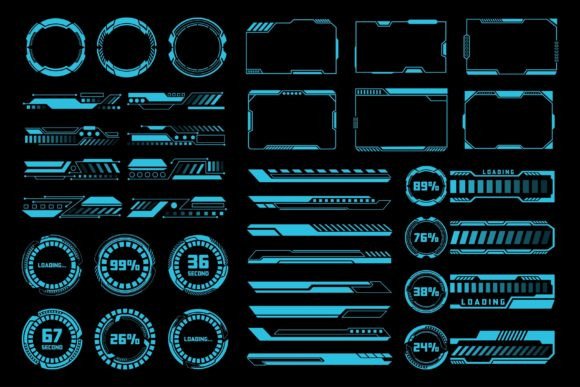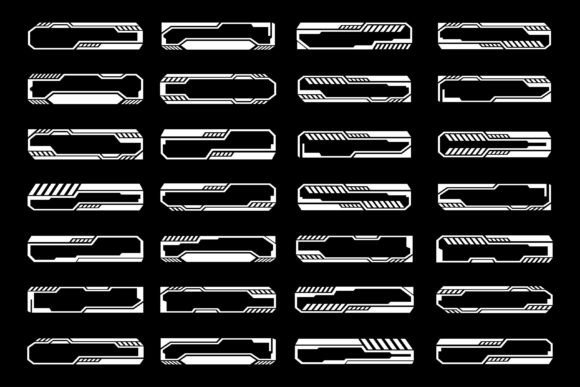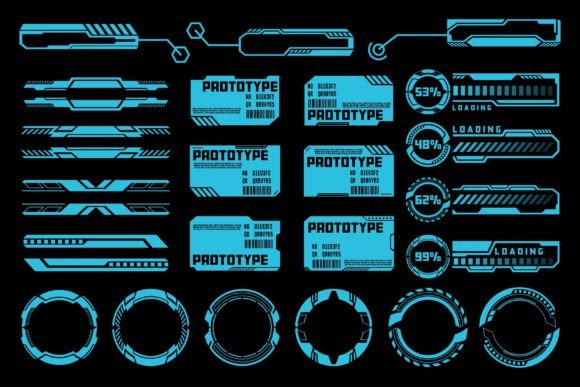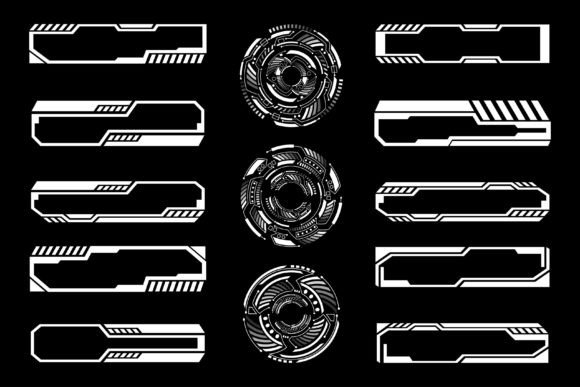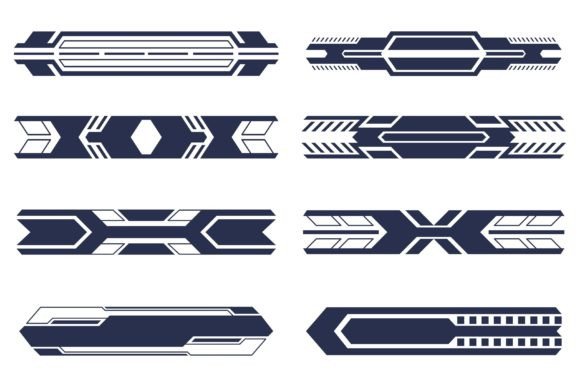
High Tech Horizontal Interface Bars for Design
In the fast-paced world of digital and print design, the right visual element can make or break a project's impact. High Tech Horizontal Interface Bars have emerged as a staple for creators looking to inject a sense of modernity, precision, and futuristic flair into their work. These elements are not merely decorative; they serve as functional anchors that guide the viewer's eye, organize information, and establish a cohesive aesthetic language. Whether you are crafting a user interface for a new app, designing a sci-fi movie poster, or creating a sleek presentation deck, these bars provide the structural backbone needed to convey complexity with clarity.
The appeal of these designs lies in their versatility. They bridge the gap between raw data visualization and artistic expression. When you incorporate a HUD (Heads-Up Display) frame or a horizontal tech bar, you are signaling to your audience that the content is advanced, reliable, and forward-thinking. This psychological cue is powerful in industries ranging from cybersecurity to automotive marketing. By utilizing vector-based assets, designers ensure that these intricate details remain crisp at any scale, from a small mobile screen to a massive billboard.
The Anatomy of Futuristic UI Elements
Understanding what makes a High Tech Horizontal Interface Bar effective requires a look at its core characteristics. These elements are typically defined by clean lines, geometric precision, and a color palette that often leans towards neon accents against dark backgrounds. However, the true strength of this specific asset pack lies in its adaptability. Unlike static raster images, these designs are built using vector paths. This means every curve, angle, and glow effect is mathematically defined, allowing for infinite scalability without loss of quality.
A key feature of these interface bars is their modularity. A single horizontal bar might contain segments for progress tracking, status indicators, or navigation cues. The design often includes subtle details like tick marks, corner brackets, and data readouts that mimic real-world instrumentation. These "micro-interactions" in a static image create a sense of depth and activity. When layered within a composition, they transform a flat layout into a multi-dimensional space. The inclusion of HUD frames further enhances this effect, providing a container that suggests a viewport or a digital overlay, perfect for framing photos or text blocks.
Another notable quality is the file format flexibility. Receiving the design in both Vector and JPG formats offers the best of both worlds. The vector files allow for deep customization, while the JPG previews enable quick integration into workflows where immediate rendering is necessary. This dual-format approach respects the time constraints of professionals who need to iterate quickly without sacrificing final output quality.
Unlocking Creativity with Vector Editing
The true power of High Tech Horizontal Interface Bars is unlocked when you open them in a vector editing application like Adobe Illustrator. Because the files are provided in a scalable vector format, you are not limited to the original color scheme or dimensions. You can deconstruct the layers to change the stroke weight, alter the fill colors to match your brand guidelines, or even rearrange components to create entirely new patterns.
This level of control is essential for maintaining brand consistency. Imagine you are a marketer working on a campaign for a blue-themed tech startup. Instead of searching for a generic green or red tech bar, you can take the base design and instantly shift the hue to your corporate blue. You can also adjust the opacity of certain layers to create transparency effects or add custom gradients that align with current design trends. The ability to modify the geometry allows you to extend the bars horizontally to fit wide-screen layouts or compress them for compact mobile interfaces.
Furthermore, vector editing enables you to combine these interface bars with other elements. You might merge a horizontal bar with a circular gauge or integrate it into a larger dashboard mockup. The non-destructive nature of vector editing means you can experiment freely. If a design choice doesn't work, you can undo changes or revert to the original state without losing resolution. This flexibility encourages experimentation, leading to more innovative and unique visual outcomes.
Practical Applications Across Industries
The utility of these futuristic frames extends far beyond simple decoration. In professional environments, they serve critical functions in communication and data presentation. For software developers and UX designers, High Tech Horizontal Interface Bars are essential for prototyping. They provide realistic placeholders for buttons, sliders, and status indicators during the early stages of app development. This helps stakeholders visualize the final product before a single line of code is written.
In the realm of print media, these elements elevate brochures, magazines, and packaging. A high-end technology magazine might use a HUD frame to highlight a feature article on artificial intelligence, immediately drawing the reader's attention. Similarly, product packaging for gaming peripherals or smart home devices can utilize these bars to reinforce the product's cutting-edge capabilities. The association with high-tech aesthetics creates an immediate perception of value and sophistication.
Educational materials also benefit from these designs. Teachers and content creators producing e-books or online courses on STEM subjects can use interface bars to break up text and present complex information in a digestible format. For instance, a timeline of technological advancements could be visualized using a horizontal progress bar style, making the historical data feel interactive and engaging. In business presentations, replacing standard bullet points with stylized tech bars can make slides appear more dynamic and memorable, helping to retain audience attention during long meetings.
Enhancing User Experience and Engagement
Beyond aesthetics, these elements contribute significantly to usability and engagement. In digital interfaces, clear visual hierarchy is paramount. High Tech Horizontal Interface Bars act as visual dividers that segment content logically. They help users navigate through dense information by providing clear start and end points for sections. This reduces cognitive load, allowing users to process information more efficiently.
From a branding perspective, consistent use of these futuristic frames establishes a distinct visual identity. When a company consistently uses a specific style of interface bar across its website, social media, and printed collateral, it builds recognition. Users begin to associate that specific look with the brand's promise of innovation and reliability. This consistency fosters trust, which is crucial for converting casual visitors into loyal customers.
Engagement is also boosted through the "wow" factor. In an era where audiences are bombarded with content, standing out is difficult. A well-designed HUD frame can stop a scroll or catch a glance. It signals that the content behind it is worth exploring. Whether it is a loading screen for a video game or a progress indicator for a download, these elements manage user expectations and keep them informed, reducing frustration and abandonment rates.
Implementation and File Management
To get the most out of these assets, proper file management is the first step. The design files are compressed into a single ZIP file to ensure easy transfer and organization. Upon downloading, you will need to extract the contents using standard archiving tools like WinZIP, WinRAR, or the built-in extraction utilities found in most operating systems. Simply double-clicking the ZIP file usually triggers the extraction process, revealing the folder structure containing both the vector source files and the JPG previews.
Once extracted, it is advisable to back up the original folder before beginning any modifications. This ensures that if you encounter issues during the editing process, you can always return to the pristine version. When opening the vector files in Adobe Illustrator, pay attention to the layer panel. Well-organized layers will make your workflow smoother, allowing you to isolate specific parts of the interface bar for editing. Check the document settings to ensure the color mode matches your intended output—CMYK for print projects and RGB for digital screens.
When implementing these bars into your projects, consider the context. Ensure there is sufficient contrast between the interface element and the background so that details remain visible. Avoid overcrowding the design; sometimes, a single, well-placed horizontal bar is more effective than a cluster of them. Test your designs on different devices to verify that the scaling holds up and that the futuristic details do not become muddy or indistinct on smaller screens.
Ultimately, High Tech Horizontal Interface Bars are more than just graphic assets; they are tools for storytelling and communication. They allow creators to build worlds, explain concepts, and present data in ways that resonate with a modern audience. By mastering the use of these vector elements, professionals can elevate their work, ensuring it stands out in a crowded marketplace while delivering a polished, high-tech experience.