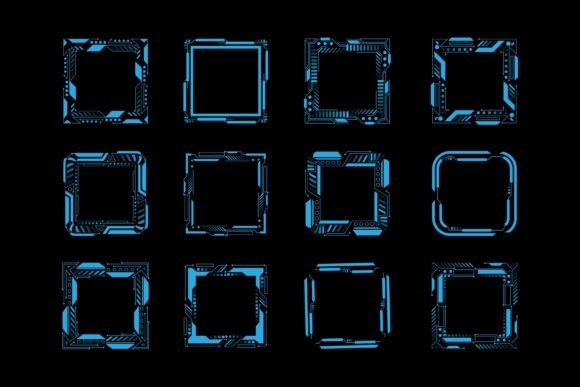
Abstract Frame Hud Technology Futuristic: A Practical Design Asset Review
In the rapidly evolving landscape of digital and print media, the demand for visual assets that convey innovation, precision, and forward-thinking is higher than ever. The Abstract Frame Hud Technology Futuristic design package addresses this need by offering a versatile collection of user interface elements tailored for modern projects. Unlike generic clip art or static backgrounds, this resource provides structured, high-fidelity vector graphics that function as both decorative frames and functional interface components. For professionals ranging from UI/UX designers to marketing directors, understanding the utility and technical specifications of such assets is crucial for maintaining workflow efficiency and visual consistency.
The Core Utility of Futuristic HUD Elements
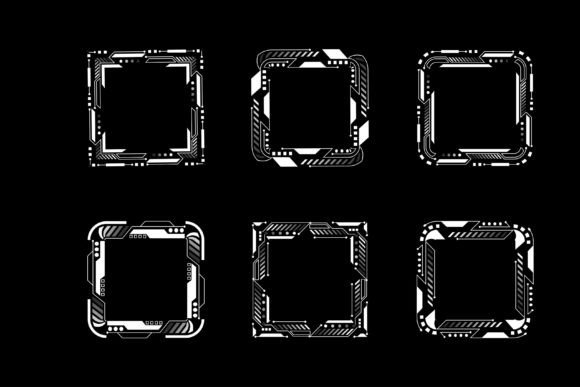
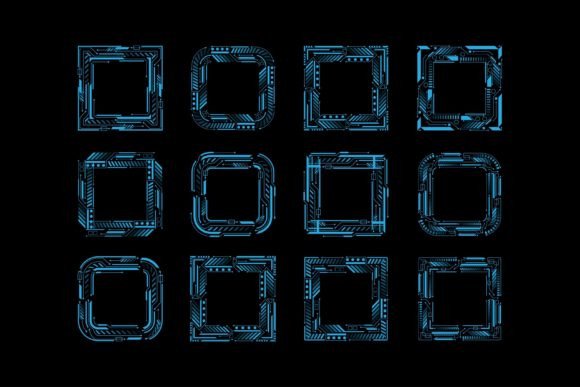
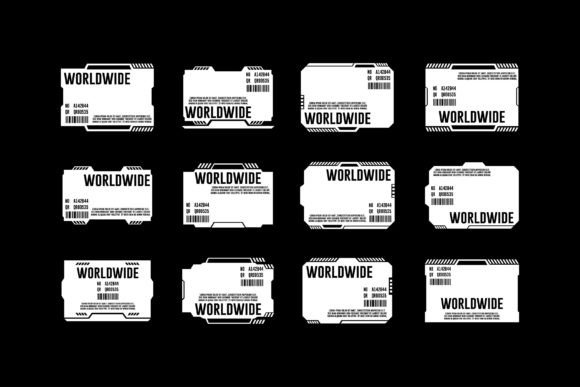
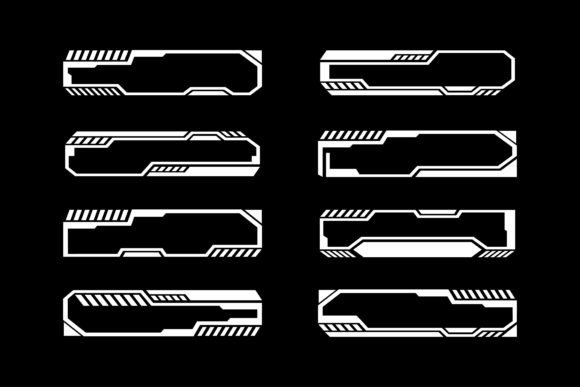
At its essence, a Heads-Up Display (HUD) originates from aviation and military technology, designed to project critical data onto a transparent screen so operators can view information without looking away from their primary focus. In the context of graphic design, these concepts have been abstracted into aesthetic frameworks that suggest connectivity, data analysis, and advanced computation. The Abstract Frame Hud Technology Futuristic collection captures this aesthetic, translating complex technological motifs into clean, editable vector lines and shapes.
What makes this specific asset worth discussing is its dual nature. It serves as a standalone decorative element for print materials while simultaneously functioning as a foundational layer for digital user interfaces. Whether you are designing a brochure for a tech startup, creating a background for a software presentation, or developing a mobile app interface, these frames provide an immediate visual language of sophistication. They eliminate the need to construct complex geometric patterns from scratch, saving valuable production time while ensuring a polished, professional result.
Technical Specifications and File Formats
A significant factor in the value proposition of any design resource is its technical delivery. This package is distributed as a compressed ZIP file containing both Vector and JPG formats. This dual-format approach is a practical necessity for modern workflows. The inclusion of JPG files allows for quick previews and immediate use in contexts where vector editing is not required, such as social media posts or rapid mockups. However, the true power lies in the vector files.
Because the core designs are provided in a vector format compatible with applications like Adobe Illustrator, users retain full control over every aspect of the design. You can modify line weights, adjust anchor points, change color palettes to match brand guidelines, and scale the graphics infinitely without any loss of resolution. This flexibility is essential for professionals who cannot rely on fixed-size raster images. When working on large-scale print runs or high-resolution displays, the ability to scale up without pixelation ensures that the final output remains crisp and sharp.
Workflow Integration and Usability
Integrating new assets into an existing workflow requires minimal friction. The delivery method—a single ZIP file—streamlines the organization process. Users must extract the contents using standard compression tools like WinZIP, WinRAR, or simply by double-clicking the file in most modern operating systems. Once extracted, the files are ready for import into your preferred design environment.
For those utilizing Adobe Illustrator, the experience is seamless. The vector paths are typically well-organized, allowing for easy selection and manipulation. This level of usability is critical when deadlines are tight. Instead of spending hours tracing a concept or building a grid system manually, a designer can drop an Abstract Frame Hud Technology Futuristic element into their canvas, resize it to fit the composition, and begin customizing the details immediately. This efficiency translates directly into cost savings and faster turnaround times for client projects.
However, it is important to note that while the base structure is robust, the complexity of the design may require a certain level of proficiency with vector editing tools. Beginners might find the sheer number of anchor points in intricate frames overwhelming. Therefore, this resource is best suited for individuals who possess at least an intermediate understanding of node editing and pathfinding. For novices, sticking to the pre-rendered JPG versions or making minor adjustments to the vector layers is a more realistic approach.
Application Scenarios Across Industries
The versatility of these futuristic frames extends across multiple sectors. In the realm of print design, they are excellent for book covers, magazine layouts, and packaging for consumer electronics. The clean lines and geometric precision evoke a sense of quality and reliability, which is often a selling point for tech products. For instance, a small business owner launching a new cybersecurity service could use these frames to create a compelling brochure that visually communicates protection and advanced monitoring capabilities.
In digital environments, the application is even broader. Web developers and UI designers can use these elements to frame dashboard widgets, overlay data visualizations, or create immersive backgrounds for landing pages. The "futuristic" aesthetic is particularly effective for industries like fintech, blockchain, artificial intelligence, and smart home solutions. These sectors benefit from imagery that suggests cutting-edge capability, and the Abstract Frame Hud Technology Futuristic assets provide exactly that visual shorthand.
Furthermore, content creators and educators can utilize these frames to enhance presentations and video overlays. A teacher explaining complex network topologies or a blogger reviewing the latest VR headset can use these graphics to make their content more engaging and visually distinct. The ability to customize colors means these assets can be adapted to fit any branding scheme, ensuring they do not clash with existing visual identities.
Evaluating Quality and Long-Term Value
When assessing the long-term value of a design asset, one must consider its adaptability and consistency. Static images often become dated quickly as design trends shift. However, because the Abstract Frame Hud Technology Futuristic collection is vector-based, it offers longevity. As trends evolve from neon cyberpunk aesthetics to cleaner, minimalist tech styles, the underlying geometry of these frames can be adjusted to fit the new look without needing to purchase a new asset pack.
Consistency is another key strength. Using a cohesive set of frames ensures that all materials produced—from a website header to a printed flyer—share a unified visual language. This consistency reinforces brand recognition and professionalism. The reliability of the file structure also matters; well-coded vector files reduce the risk of rendering errors or missing fonts during the handoff to printers or developers.
That said, there are limitations to consider. While the designs are high-quality, they are still templates. Over-reliance on stock-style elements can sometimes lead to a "generic" look if not customized sufficiently. To maximize effectiveness, designers should treat these frames as starting points rather than finished products. Adding unique typography, integrating real data visualizations, or blending the frames with original photography will yield superior results compared to using them in isolation.
Who Should Invest in This Resource?
This asset is particularly beneficial for freelancers and small agencies that need to maintain a high volume of diverse work without a massive budget for custom illustration. For entrepreneurs launching tech-focused ventures, it offers a cost-effective way to establish a strong visual identity. Marketers looking to refresh campaign materials with a modern edge will also find these frames invaluable.
Ultimately, the decision to use Abstract Frame Hud Technology Futuristic depends on your specific project goals. If your objective is to communicate innovation, precision, and a forward-looking perspective, these elements are a powerful tool. Their combination of technical flexibility, aesthetic appeal, and ease of integration makes them a practical addition to any creative toolkit. By leveraging the vector capabilities and understanding the potential applications, professionals can elevate their designs and deliver exceptional value to their clients and audiences.