Holographic Geometric 3d Shapes: Elevating Digital Design with Depth and Light
In the crowded landscape of digital media, static flat designs often struggle to capture attention. This is where Holographic Geometric 3d Shapes become a game-changer. These aren't just standard polygons or cubes; they are rendered elements that mimic the iridescent, light-bending properties of holograms. By combining three-dimensional geometry with shifting gradients that simulate oil on water or rainbow reflections, these assets add an immediate layer of sophistication and modernity to any visual project. Whether you are designing a landing page, crafting a social media campaign, or building a corporate presentation, integrating these shapes can transform a mundane layout into a dynamic experience.
The Visual Impact of Holographic Rendering
At its core, a holographic effect relies on the interplay of light and surface texture. When applied to geometric forms like spheres, pyramids, dodecahedrons, and abstract shards, the result is a visual element that feels alive. Unlike traditional 3D renders that rely heavily on shadows and hard lighting, holographic rendering focuses on color refraction. The surfaces appear to shift from violet to teal, pink to gold, depending on the angle of the virtual light source.
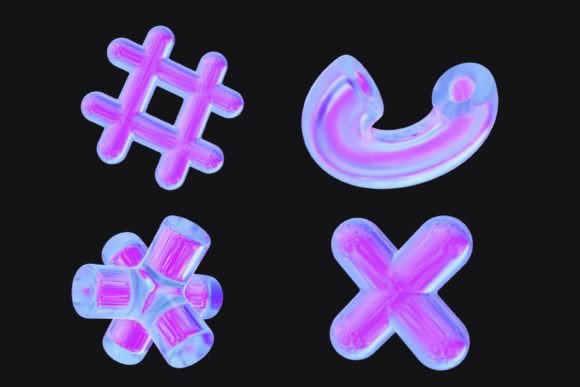
This specific aesthetic has gained massive traction because it bridges the gap between retro-futurism and cutting-edge technology. It evokes a sense of innovation without needing complex animations. For designers, this means you can achieve a high-tech look using static PNG files that still convey movement and depth. The "8 Holographic geometric 3d render gradient shapes PNG" collection specifically targets this need, offering pre-rendered, high-quality assets that are ready for immediate use across various platforms.
Real-World Applications in Web and UI Design
Web design is perhaps the most common arena for utilizing Holographic Geometric 3d Shapes. In an era where users scroll quickly, these shapes serve as powerful focal points. Imagine a SaaS product landing page where the hero section features a floating, iridescent sphere behind the headline. This subtle background element immediately signals that the product is innovative and forward-thinking.
Beyond the hero section, these shapes are incredibly versatile for user interface (UI) elements. They work exceptionally well as:
- Background accents: Placed behind text blocks to create visual separation without heavy borders.
- Button highlights: Using a small geometric shard as a hover state icon to draw attention to call-to-action buttons.
- Section dividers: Replacing standard horizontal lines with a row of floating holographic pyramids to guide the eye down the page.
Because these assets typically come as PNGs with transparent backgrounds, they integrate seamlessly into existing layouts. Designers don't need to spend hours modeling 3D objects in software like Blender or Cinema 4D. Instead, they can drag and drop these elements, adjusting opacity and blend modes to ensure they complement the site's typography rather than overwhelming it.
Supercharging Social Media and Branding
Social media feeds are visually saturated, making it difficult for brands to stand out. Holographic Geometric 3d Shapes offer a distinct visual language that cuts through the noise. On platforms like Instagram, LinkedIn, and TikTok, these shapes can define a brand's aesthetic identity.
Consider a tech startup launching a new app. Their promotional graphics could feature a central holographic cube surrounded by smaller floating shards. This consistent use of 3D geometry creates a cohesive visual theme that followers instantly recognize. It suggests precision, complexity, and a futuristic edge. Furthermore, these shapes are perfect for creating motion graphics. Even if the original asset is a static PNG, animating them slightly—making them rotate or float up and down—in video editors adds a professional polish that elevates the entire content piece.
For influencers and content creators, these shapes provide a quick way to upgrade thumbnails and profile banners. A simple gradient background can feel generic, but overlaying a few holographic prisms adds texture and dimension, making the thumbnail more clickable. The versatility allows these assets to fit into diverse niches, from crypto and blockchain projects to fashion and lifestyle blogs looking for a trendy, edgy vibe.
Enhancing Presentations and Corporate Communications
Presentation slides often suffer from being too text-heavy or relying on outdated clip art. Incorporating Holographic Geometric 3d Shapes can modernize corporate communications instantly. In a pitch deck for investors, for example, using these shapes to visualize data points or to frame key statistics can make the information more digestible and engaging.
Instead of a boring bullet list, imagine each point anchored by a different colored holographic shape. This breaks up the monotony and keeps the audience visually engaged. The iridescent quality of the shapes also conveys a sense of value and premium quality, which is crucial when presenting high-stakes business concepts. Marketing teams can use them to create impactful slide transitions or title pages that set a confident tone before the meeting even begins.
Moreover, these assets are industry-agnostic. While they naturally fit the tech sector, a creative agency might use them to showcase their portfolio, or a healthcare company might use softer, pastel-toned holographic spheres to represent innovation in medical technology. The key is selecting the right color palette within the gradient to match the brand's emotional goals.
Practical Considerations Before You Apply Them
While Holographic Geometric 3d Shapes are powerful tools, they require thoughtful application to be effective. One of the primary considerations is context. Because these shapes are inherently vibrant and reflective, they can clash with busy backgrounds or overly complex layouts. It is often best to pair them with clean, minimalist designs where they have room to breathe.
Color harmony is another critical factor. The gradients in holographic renders are usually multi-colored. If your brand guidelines strictly adhere to a monochromatic scheme, you may need to adjust the saturation or hue of the shapes, or choose a specific subset of the available assets that aligns with your palette. Using a full-spectrum rainbow shape on a corporate blue website might look jarring unless intentionally stylized.
Accessibility is also worth noting. While these shapes are decorative, ensure they do not reduce the contrast ratio of important text placed nearby. If using them as overlays, always check that the underlying content remains legible. Additionally, consider file size. High-resolution 3D renders can be large, so optimizing the PNGs for web use ensures fast load times without sacrificing visual fidelity.
Strengths and Limitations of Pre-Rendered Assets
The greatest strength of using a pack of "8 Holographic geometric 3d render gradient shapes PNG" is efficiency. Creating photorealistic 3D assets from scratch requires specialized skills and significant time investment. Pre-rendered assets democratize this high-end look, allowing marketers, small business owners, and junior designers to access professional-grade visuals instantly.
However, there are limitations. Since these are static images, they lack true interactivity. A user cannot click and rotate a holographic sphere on a webpage unless custom coding or advanced animation libraries are implemented. Furthermore, because they are pre-made, customization is limited to basic image editing adjustments. If a client needs a specific geometric configuration that doesn't exist in the pack, they would need to commission custom 3D work.
Despite these constraints, the value proposition remains strong. For the vast majority of web, social, and presentation needs, the balance between quality and ease of use makes Holographic Geometric 3d Shapes an essential resource in the modern designer's toolkit. They provide a shortcut to visual excellence, enabling creators to focus on strategy and storytelling while maintaining a stunning, futuristic aesthetic.