Unlocking the Future: Streetwear Cyberpunk Elements and HUD Interface Designs for Modern Creatives
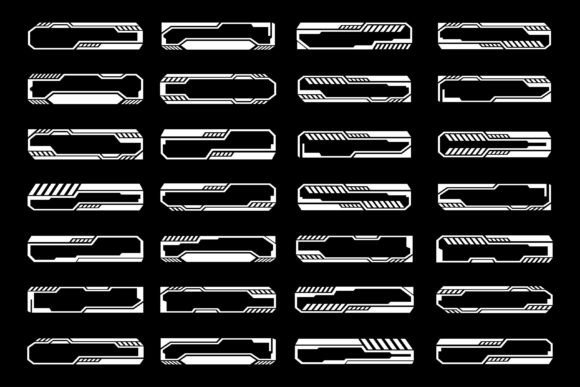
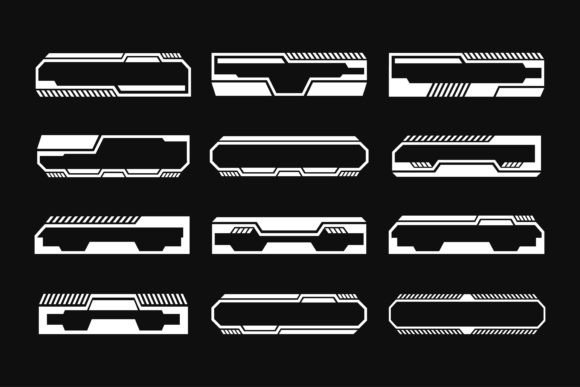
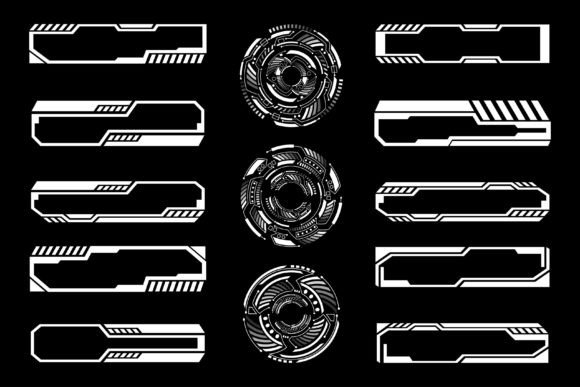
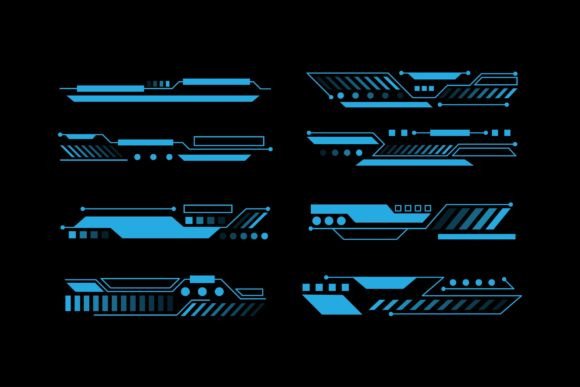
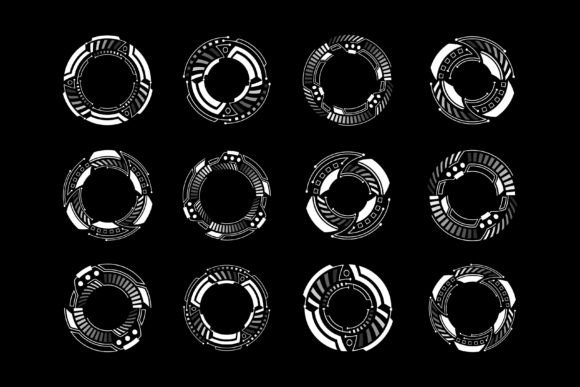
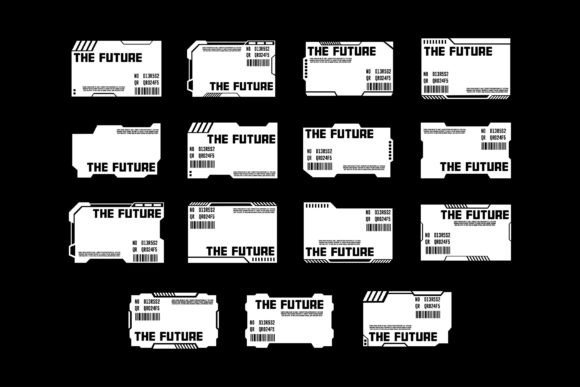
In the rapidly evolving landscape of digital art and fashion, few aesthetics capture the imagination quite like the fusion of streetwear culture with futuristic cyberpunk elements. This unique style, characterized by neon glows, high-tech interfaces, and gritty urban textures, has moved from the pages of science fiction novels to the forefront of graphic design. For designers, artists, and enthusiasts looking to incorporate this vibe into their projects, understanding the core components—specifically Hud futuristic frames user interface element vector assets—is essential. These digital tools serve as the building blocks for creating compelling visuals that resonate with a tech-savvy audience.
Whether you are designing a limited-edition t-shirt, creating a background for a gaming stream, or developing a branding package for a tech startup, the ability to manipulate these elements can elevate your work from ordinary to extraordinary. This guide explores the significance of these designs, how they function in modern creative workflows, and the practical steps to utilize them effectively.
The Intersection of Streetwear and Cyberpunk Aesthetics
To understand the value of these design assets, one must first appreciate the cultural convergence at play. Streetwear is rooted in authenticity, rebellion, and urban expression. It is about clothing that speaks to the streets. Conversely, cyberpunk is a subgenre of science fiction that combines "high tech" and "low life," often featuring advanced technology juxtaposed with societal decay. When these two worlds collide, the result is a visual language that feels both grounded and otherworldly.
This aesthetic is not merely decorative; it tells a story. It suggests a world where technology is ubiquitous, where information is displayed through augmented reality overlays, and where the individual navigates a complex digital-physical hybrid environment. By integrating Hud futuristic frames into streetwear graphics, designers tap into this narrative. The jagged lines, data readouts, and holographic grids suggest that the wearer is part of a future that is already here.
Why Vector Graphics Are Essential for Professional Design
When sourcing these elements, the format of the file is just as critical as the visual style. You will often find these designs available in both Vector and JPG formats. While JPG files are excellent for web use and quick previews, vector files are the gold standard for professional print and scalable design.
A vector graphic is based on mathematical equations rather than pixels. This means that no matter how large you scale the image—from a small business card to a massive billboard—the quality remains razor-sharp. There is no pixelation or blurriness. For streetwear brands that need to print on various fabrics and sizes, or for decorators needing to create large-scale murals, vectors are indispensable. They allow for infinite flexibility without compromising the integrity of the design.
Practical Applications: From Print to Digital Decoration
The versatility of cyberpunk HUD elements extends far beyond simple decoration. They are functional design tools that can transform a project in several key areas:
- Fashion and Apparel: Designers use these frames to create dynamic patterns for t-shirts, hoodies, and sneakers. The geometric nature of HUD frames fits perfectly with the bold typography common in streetwear.
- Digital Backgrounds: Streamers and content creators often use these elements to build immersive backgrounds for their video feeds, giving their channels a cohesive, high-tech identity.
- Event Branding: Music festivals, tech conferences, and gaming tournaments frequently adopt this aesthetic to signal innovation and energy.
- Product Packaging: Tech companies use these motifs to make product boxes look cutting-edge and desirable to younger demographics.
Consider a scenario where a designer is creating a new logo for a virtual reality startup. By overlaying a circular HUD frame around the logo, they instantly communicate precision, technology, and a futuristic outlook. Without this element, the logo might appear static and traditional. With it, the brand feels alive and forward-thinking.
Working with Your Files: A Step-by-Step Guide
Acquiring the right assets is only the first step. To truly harness their potential, you need to know how to access and modify them. Most professional design resources are delivered as compressed archives to ensure fast downloads and organized storage. Here is how you should handle your files to get started.
Extracting Your Design Assets
When you download the design pack, you will likely receive a single ZIP File. This file contains all the necessary layers, fonts, and variations of the design. To access the contents, you cannot simply open the ZIP file directly in most design software. You must extract it first.
- Locate the File: Find the downloaded ZIP file in your computer's download folder.
- Use Extraction Software: On Windows, you can use built-in tools, but dedicated software like Win ZIP or WinRAR offers more robust features. On Mac, double-clicking the file usually triggers the built-in archive utility.
- Double Click and Extract: Simply double-click the file or right-click and select "Extract All." Choose a destination folder where you want the files to be saved.
- Verify Contents: Open the new folder to ensure you have both the Vector (usually .AI or .EPS) and JPG versions of the design.
Once extracted, you are ready to import the files into your editing application. If you are using Adobe Illustrator, you can open the vector file directly. This allows you to edit every line, change colors, adjust shapes, and rearrange elements. This modifiability is crucial because it means the design is not a static image; it is a customizable toolkit tailored to your specific vision.
Common Misunderstandings About Digital Assets
Despite the growing popularity of digital design packs, there are still misconceptions that hinder beginners. One common assumption is that buying a design means you own the copyright to the entire concept. In reality, most licenses grant you the right to use the asset in your projects but do not allow you to resell the raw file itself. Always review the license agreement included in your ZIP folder.
Another misunderstanding is that vector files are difficult to use. While they require specific software like Adobe Illustrator or CorelDRAW, the learning curve is manageable. The benefit of being able to change a color from neon green to electric blue with a single click far outweighs the initial setup time. Furthermore, assuming that JPG files are sufficient for all projects is a mistake. Using a raster image (JPG) for large-scale printing can lead to blurry results, whereas a vector file ensures crisp edges regardless of size.
Customization: Making the Design Your Own
The true power of these Streetwear Futuristic Cyberpunk Element packs lies in customization. A generic HUD frame might look cool, but a modified one looks unique. When you open the vector file in Adobe Illustrator, you can:
- Change the color palette to match your brand guidelines.
- Add or remove specific data points and text elements within the frame.
- Combine multiple frames to create complex, layered compositions.
- Integrate custom typography to enhance the futuristic feel.
This level of control allows designers to avoid the "template look" and create something that feels bespoke. It bridges the gap between pre-made resources and original artwork, offering efficiency without sacrificing creativity.
The Future of Creative Expression
As we move further into an era dominated by artificial intelligence, virtual reality, and smart cities, the visual language of cyberpunk becomes increasingly relevant. It is no longer just a fictional trope; it is a reflection of our daily reality. The integration of HUD-like interfaces into our smartphones and wearables makes these design elements feel familiar yet aspirational.
For creatives, having access to high-quality, editable vector assets is a strategic advantage. It allows for rapid prototyping and the ability to stay ahead of design trends. Whether you are a seasoned professional or a beginner exploring the world of graphic design, understanding how to leverage these tools is key to producing work that stands out.
By mastering the extraction, editing, and application of Hud futuristic frames user interface element vector designs, you unlock a world of possibilities. You can create prints that pop, decorations that dazzle, and backgrounds that immerse. The future of design is not just about what you see, but how you interact with the tools that bring those visions to life. With the right files and the right mindset, the future is yours to design.
Remember, the journey from a compressed ZIP file to a finished masterpiece is a process of exploration. Don't be afraid to experiment with the layers, mix styles, and push the boundaries of what streetwear and cyberpunk aesthetics can achieve. The digital canvas is vast, and these futuristic elements are your compass.