Elevating Visuals: The Power of HUD Futuristic Header Footer Elements and Frames
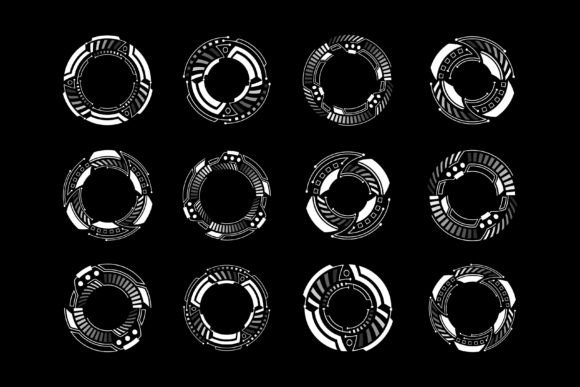
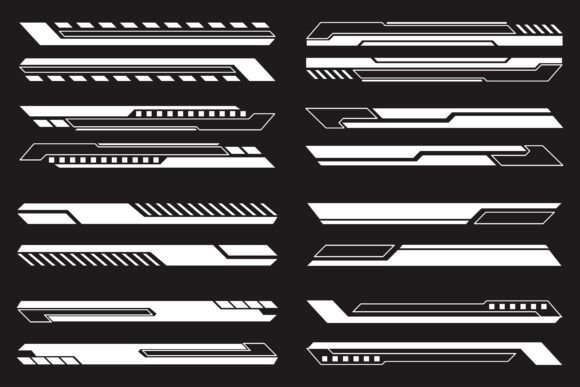
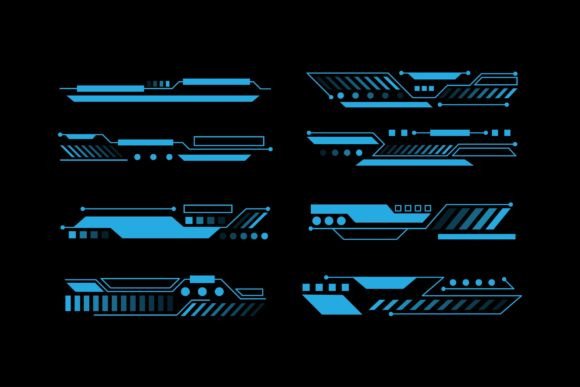
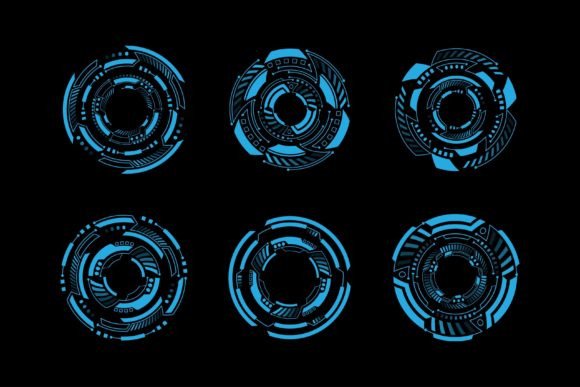
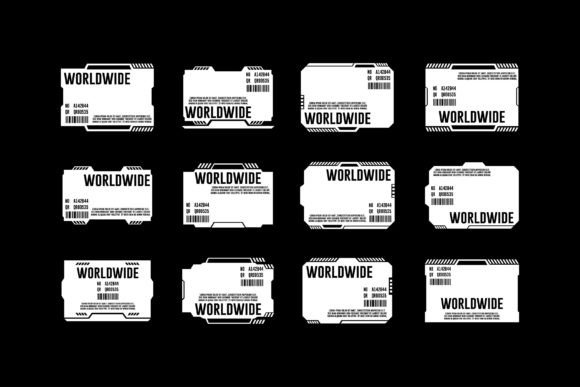
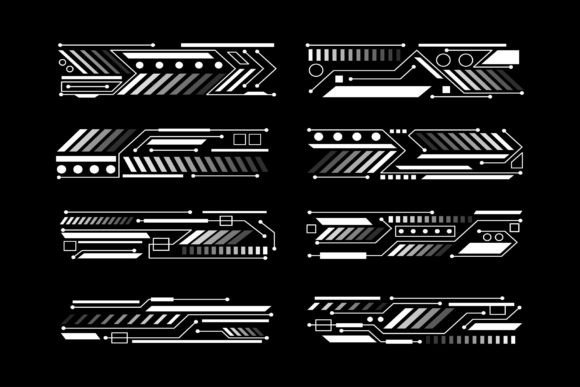
In the rapidly evolving landscape of digital design, few aesthetic styles capture the imagination quite like the futuristic Heads-Up Display (HUD). Originally born from military aviation and high-tech racing simulations, HUD interfaces have transcended their functional roots to become a staple in modern graphic design, web development, and print media. For designers seeking to infuse their projects with a sense of advanced technology, precision, and sci-fi allure, utilizing HUD futuristic header footer elements and HUD futuristic frames user interface element vector assets is an essential strategy. These components are not merely decorative; they serve as the structural backbone for creating immersive visual experiences that resonate with audiences across gaming, business presentations, and creative arts.
Whether you are crafting a website for a tech startup, designing a poster for a science fiction event, or creating a background for a video production, understanding how to leverage these vector resources can significantly enhance the quality and impact of your work. This guide explores the versatility, technical advantages, and practical applications of these design elements, helping both beginners and seasoned professionals integrate them effectively into their workflows.
Understanding the HUD Aesthetic in Modern Design
To appreciate the value of these specific design assets, one must first understand what defines the HUD aesthetic. A Heads-Up Display is designed to present critical information without requiring the user to look away from their primary focus. In design terms, this translates to clean lines, geometric precision, translucent overlays, and a color palette often dominated by neon blues, cyans, and crisp whites against dark backgrounds. When applied to header and footer elements, this style creates a cohesive frame that suggests data processing, connectivity, and forward-thinking innovation.
The significance of incorporating HUD futuristic frames extends beyond mere aesthetics. In today's digital economy, brands strive to project an image of technological competence. A website or document featuring a sleek, futuristic interface immediately signals to the viewer that the content within is modern, reliable, and cutting-edge. This psychological association makes HUD elements particularly valuable for industries such as cybersecurity, artificial intelligence, renewable energy, and software development.
Why Vector Format Matters for Professional Output
One of the most critical aspects of acquiring high-quality HUD design resources is the file format. The distinction between raster images (like standard JPEGs) and vector graphics cannot be overstated. When you download a package containing HUD futuristic frames user interface element vector files, you are gaining access to graphics defined by mathematical equations rather than pixels. This fundamental difference offers unparalleled flexibility.
- Scalability: Unlike raster images that pixelate when enlarged, vector graphics remain crisp and sharp at any size. This is crucial for print applications where large-format banners or posters require high resolution.
- Editability: Vectors allow you to modify individual paths, colors, and shapes. You are not stuck with a static image; you can adapt the design to fit your specific brand guidelines.
- File Efficiency: Vector files are often smaller in size compared to high-resolution raster equivalents, making them easier to manage within complex projects.
For designers using industry-standard tools like Adobe Illustrator, CorelDRAW, or Affinity Designer, working with vectors is the gold standard. It ensures that every curve and line in your futuristic header remains perfectly smooth, regardless of whether it is displayed on a smartphone screen or printed on a billboard.
Practical Applications Across Industries
The versatility of HUD elements allows them to be adapted for a wide range of contexts. While their origins are rooted in technology, their application has broadened significantly. Here is how these elements fit into various sectors of modern life and work:
1. Web Development and UI/UX Design
In the realm of web design, headers and footers act as the navigation anchors for a site. By replacing traditional solid bars with dynamic HUD futuristic header footer elements, designers can create a unique user experience. Imagine a portfolio site for a robotics engineer where the navigation menu appears as if it is projected onto a glass surface, complete with animated scan lines and data readouts. This not only guides the user but also immerses them in the designer's world.
2. Print Media and Decoration
Print design benefits immensely from the scalability of vector HUD frames. Event planners often use these elements for concert flyers, tech conference badges, and exhibition backdrops. The "decoration" aspect mentioned in design asset descriptions refers to the ability to layer these frames over photographs or illustrations to add depth and context. For instance, a photograph of a city skyline can be transformed into a surveillance report aesthetic by overlaying a HUD frame, instantly changing the narrative of the image.
3. Backgrounds for Video and Presentation
In the corporate and educational sectors, presentation slides often suffer from a lack of visual interest. Utilizing a background generated from HUD vector assets can make a quarterly report or a lecture on future technologies feel more engaging. These backgrounds provide a structured yet non-distracting canvas that keeps the audience focused on the content while reinforcing the theme of innovation.
How to Access and Modify Your Design Assets
Once you have decided to incorporate these futuristic elements into your workflow, the process of obtaining and preparing the files is straightforward, though it requires attention to detail. Most professional design assets are delivered as compressed archives to ensure fast downloading and organized storage.
When you purchase or download a collection of HUD elements, you will typically receive a single ZIP File. This archive contains all necessary resources, including the editable vector source files (usually in .AI, .EPS, or .SVG formats) and preview images in JPG format. To access these files, you must extract them from the archive. This step is vital because design software generally cannot open files directly from inside a ZIP folder.
- Locate the File: Find the downloaded ZIP file in your computer's downloads folder.
- Choose Extraction Method: You can use dedicated extraction software like WinZip or WinRAR. Alternatively, on most modern operating systems, you can simply double-click the ZIP file to open it and drag the contents to a new folder.
- Verify Contents: Once extracted, check that you have both the vector files for editing and the JPG previews for quick reference.
- Open in Editing Software: Launch your preferred vector editing application, such as Adobe Illustrator, and open the vector file.
A common misunderstanding among beginners is the assumption that these designs are "one-size-fits-all." In reality, the true power of these assets lies in their modifiability. You should feel empowered to change the color scheme to match your brand, remove unnecessary details to simplify the layout, or combine multiple frames to create a custom composition. The ability to manipulate the design with a vector editing application means the final output is entirely yours.
Common Misconceptions and Best Practices
As with any design trend, there are pitfalls to avoid. One frequent mistake is overusing HUD elements to the point where the design becomes cluttered and difficult to read. The goal of a HUD is clarity and information delivery, not visual chaos. When applying HUD futuristic frames to a webpage or document, ensure there is sufficient negative space (breathing room) around the text and key visual elements.
Another misconception is that these elements are only suitable for "techy" topics. While they are perfect for technology, they can also be used metaphorically. A fashion brand might use a HUD frame to suggest precision tailoring or a medical practice might use it to imply advanced diagnostic capabilities. The key is to align the visual language with the message you wish to convey.
Furthermore, do not neglect the importance of contrast. Since HUD designs often rely on light colors against dark backgrounds, ensure that your text remains legible. If you are using a complex vector frame as a background, consider adding a subtle gradient overlay to ensure your typography stands out clearly.
Conclusion: Embracing the Future of Design
The integration of HUD futuristic header footer elements and HUD futuristic frames user interface element vector into your creative toolkit represents more than just following a trend; it is about adopting a visual language that speaks to the future. Whether for print, decoration, element design, or digital backgrounds, these assets offer a robust foundation for creating compelling, high-impact visuals.
By understanding the technical advantages of vector formats, learning how to properly extract and modify your files, and applying these elements thoughtfully across various mediums, you can elevate your projects to new heights. As technology continues to shape our daily lives, the demand for designs that reflect this evolution will only grow. Equip yourself with these versatile tools, experiment with their possibilities, and let your creativity define the next generation of visual communication.
Remember, the best design is not just about looking good; it is about communicating effectively. With the right HUD elements, you can ensure your message is received with the clarity, precision, and modern flair that today's audience expects.