Sliders: Elevate Your Visual Design
In the fast-paced world of digital creativity, a single well-crafted asset can transform a mediocre layout into a compelling visual story. For designers seeking to refine their brand identity and streamline their workflow, the right collection of creative assets is not just a convenience—it is a strategic advantage. This is where resources like Sliders come into play, offering a versatile toolkit that bridges the gap between conceptual ideas and polished execution. Whether you are working on web design, social media graphics, or high-end packaging design, having access to scalable, professional elements ensures your projects maintain a modern aesthetic and strong visual hierarchy.
The Power of Versatile Design Assets
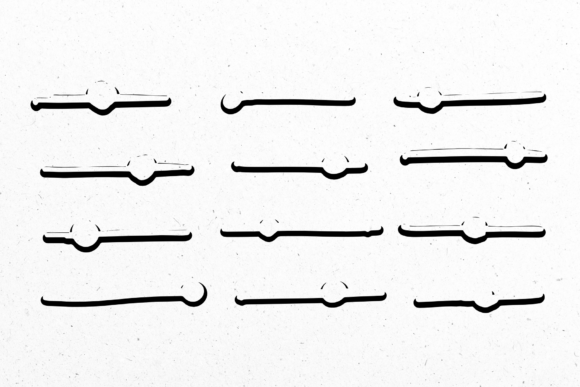
Modern graphic design demands flexibility. A static image often fails to meet the diverse requirements of today's multi-channel marketing strategies. The Sliders collection addresses this challenge by providing a comprehensive suite of files designed for adaptability. When you download the resource package, you receive a compact yet powerful ZIP file (just 289 KB) that contains everything needed to integrate these designs seamlessly into your projects. Inside, you will find one EPS file containing all designs, ensuring full editability in vector software, alongside 12 SVG files for web compatibility and 12 PNG files for immediate raster use.
This variety is crucial for maintaining consistency across different mediums. Vector formats like EPS and SVG allow for infinite scalability without quality loss, making them ideal for large-format print or high-resolution displays. Meanwhile, the PNG versions offer quick deployment for digital mockups or social media posts where speed is essential. By including multiple formats, the package supports a robust design workflow, allowing professionals to switch between UI design tasks and print design requirements without compromising on resolution or clarity.
Practical Applications Across Industries
The utility of high-quality design elements extends far beyond simple decoration. These assets serve as foundational components for building a cohesive brand presence. Here are several key areas where such resources make a tangible impact:
- Branding and Logo Design: Use vector shapes to construct unique logos that remain crisp at any size, reinforcing brand recognition.
- Marketing Materials: Enhance brochures, flyers, and business cards with dynamic visual elements that capture attention instantly.
- Social Media Content: Create engaging posts and stories that stand out in crowded feeds, utilizing pre-sized PNGs for rapid production.
- Website and UI/UX Design: Implement scalable SVG icons and sliders to improve user navigation and interface aesthetics.
- Editorial Layouts: Add visual interest to magazines and blogs, guiding the reader's eye through complex content structures.
- Packaging Design: Apply precise vector graphics to product labels, ensuring they look premium and professional on the shelf.
- Advertising Campaigns: Maintain visual consistency across billboards, banners, and digital ads to strengthen campaign messaging.
Strategies for Effective Integration
While having access to premium assets is beneficial, how you utilize them determines the final outcome. Successful integration requires a thoughtful approach to visual communication. Start by evaluating your existing color palette and typography. The best design elements complement your current system rather than overpowering it. Ensure that the shapes and lines within the Sliders collection align with your brand's personality—whether that means clean, minimalist geometry for a tech startup or bold, organic curves for a lifestyle brand.
Scalability is another critical factor. Because the package includes an EPS file with all designs, you have the freedom to manipulate anchor points, adjust stroke weights, and recolor elements to match specific project needs. This level of customization is vital for creating unique logo design variations or adapting graphics for different screen sizes in digital marketing. Always test your assets in various contexts before finalizing a project. Check readability on mobile devices, contrast ratios in dark mode interfaces, and print fidelity on textured paper.
Furthermore, consider the role of visual hierarchy when placing these elements. They should guide the viewer's attention to key information, such as call-to-action buttons or headlines, without causing clutter. In editorial design, for instance, using these shapes as subtle dividers or background accents can break up text blocks and improve overall legibility. Similarly, in presentation decks, consistent use of these assets helps maintain a professional appearance that keeps stakeholders engaged.
Ultimately, the value of a resource like Sliders lies in its ability to empower creators to produce higher quality work more efficiently. By leveraging a well-structured ZIP file containing EPS, SVG, and PNG formats, designers can focus less on technical constraints and more on creative problem-solving. Thoughtful design choices, supported by reliable assets, lead to stronger brand identities, better user experiences, and more impactful communication. As you continue to explore new design trends and expand your portfolio, remember that the tools you choose are just as important as the vision you bring to the table.