Elevating Visual Narratives with Futuristic HUD Interface Elements Cyber
In the rapidly evolving landscape of digital media and graphic design, the demand for visual assets that convey innovation, precision, and forward-thinking aesthetics has never been higher. At the forefront of this movement are Futuristic HUD Interface Elements Cyber. These design components are not merely decorative; they serve as critical building blocks for creators aiming to construct immersive worlds, streamline complex data visualization, and capture the imagination of a tech-savvy audience. Whether you are a professional motion graphics artist, a marketing strategist launching a high-tech product, or an entrepreneur designing a brand identity, understanding the power and application of these elements is essential.
The modern creative workflow requires flexibility and scalability. This is why the availability of these designs in both Vector and JPG format is a significant advantage. Professionals can utilize the raster images for immediate web deployment while retaining the editable vector files for deep customization within applications like Adobe Illustrator. This dual-format approach ensures that the design remains relevant across various mediums, from print advertisements to large-scale digital billboards.
Defining the Aesthetic: What Are Futuristic HUD Interface Elements?
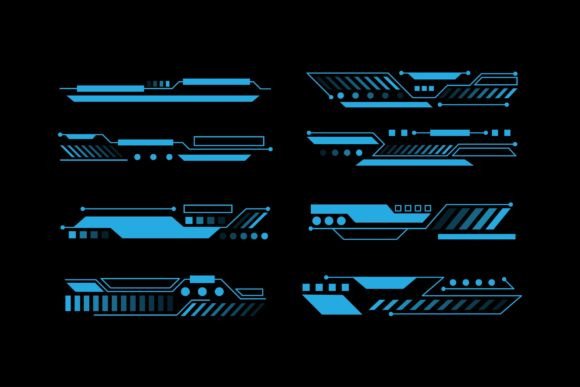
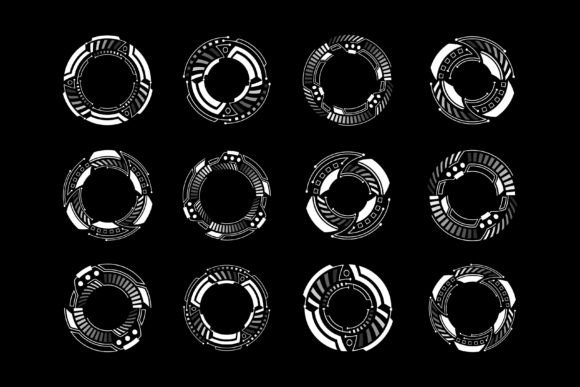
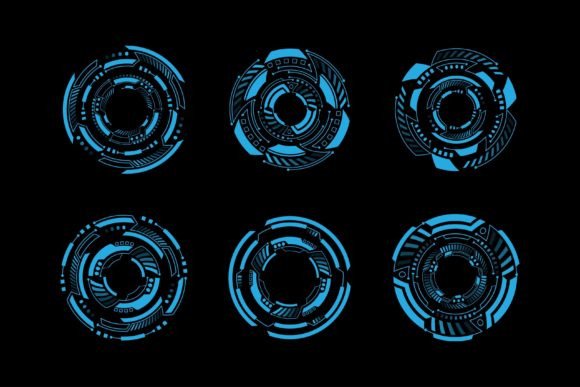
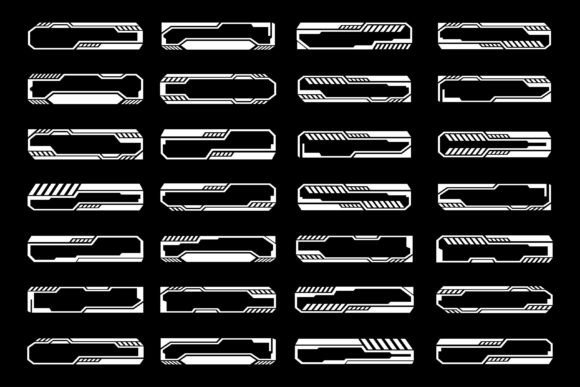
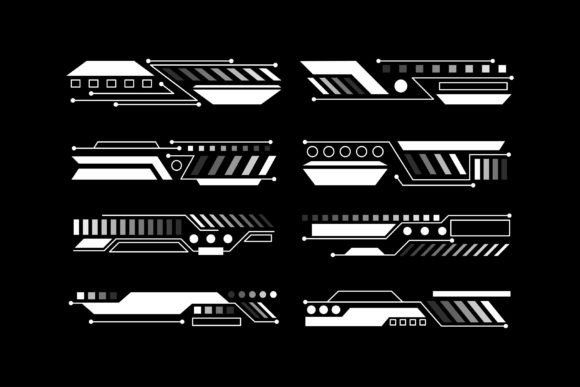
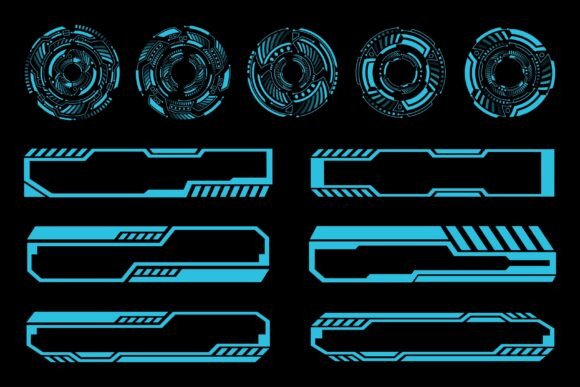
To understand the impact of these assets, one must first define what constitutes a Heads-Up Display (HUD) in a design context. Originally derived from aviation and military technology, where critical information was projected onto a pilot's visor, the HUD concept has migrated into consumer technology and entertainment. Futuristic HUD Interface Elements Cyber represent the stylized evolution of this concept. They encompass a wide array of graphical components including data readouts, targeting reticles, geometric frames, status bars, and holographic overlays.
These elements are characterized by their clean lines, neon color palettes—often featuring cyan, magenta, and electric blue—and a sense of depth that mimics three-dimensional space on a two-dimensional plane. They are designed to look as though they are floating in a digital void, providing a user interface that feels intuitive yet advanced. When integrated into a project, they instantly communicate themes of high technology, cybersecurity, artificial intelligence, and future connectivity.
The Role of Vector Technology in Modern Design
A crucial aspect of working with Futuristic HUD Interface Elements Cyber is the underlying technology that makes them so versatile: vector graphics. Unlike raster images, which lose quality when scaled, vector files are mathematical representations of shapes. This means that a HUD frame designed for a small mobile app icon can be expanded to cover a massive cinema screen without any loss of resolution or clarity.
For professionals using tools like Adobe Illustrator, this capability is transformative. It allows designers to modify the core geometry of the interface elements. You might change the curvature of a corner, adjust the thickness of a line, or alter the color scheme to match a specific brand guideline. The ability to edit these files ensures that the design is not static; it is a living component that can adapt to the unique needs of any project. This flexibility is particularly valuable in industries where trends shift rapidly, requiring quick iterations on visual assets.
Industry Trends and Market Relevance
The surge in popularity for cyber-aesthetic design elements is not accidental; it mirrors broader shifts in the global market and consumer expectations. We are currently witnessing a convergence of physical and digital realities, often referred to as the Metaverse or spatial computing. As virtual reality (VR), augmented reality (AR), and mixed reality (MR) technologies become more mainstream, the need for interfaces that feel native to these environments grows exponentially.
Futuristic HUD Interface Elements Cyber fit perfectly into this narrative. They provide the visual language necessary to make digital interactions feel tangible and sophisticated. In the gaming industry, for example, players expect highly detailed, responsive interfaces that enhance immersion rather than break it. Similarly, in the automotive sector, manufacturers are redesigning dashboards to resemble sci-fi cockpits, utilizing HUD concepts to display navigation and vehicle diagnostics directly in the driver's line of sight.
From a business perspective, adopting this aesthetic signals innovation. Companies in the fintech, cybersecurity, and telecommunications sectors are increasingly using these visual motifs to differentiate themselves. A website or marketing campaign featuring sleek, futuristic frames suggests that the company is at the cutting edge of technology. It builds trust with consumers who associate high-tech visuals with reliability, speed, and security.
Changing Workflows and Creative Expectations
The way creatives work has also changed, influencing the demand for high-quality, pre-made assets. In the past, designers might have spent hours constructing complex geometric patterns from scratch. Today, the pace of content creation demands efficiency without sacrificing quality. The availability of comprehensive asset packs, compressed into a single ZIP File, streamlines this process significantly.
By extracting these files using standard utilities like WinRAR or simply double-clicking to open them, designers gain immediate access to a library of production-ready elements. This allows them to focus on composition, storytelling, and strategy rather than getting bogged down in the minutiae of drawing individual lines. However, because the files are editable vectors, this efficiency does not come at the cost of originality. Creators can tweak the elements to ensure uniqueness, blending speed with customization.
This shift reflects a broader trend in the creative economy: the democratization of high-end design. Tools and assets that were once reserved for major studios are now accessible to freelancers and independent entrepreneurs. This accessibility fosters a more diverse and vibrant marketplace, where smaller teams can produce visuals that rival those of larger corporations.
Practical Applications Across Sectors
The versatility of Futuristic HUD Interface Elements Cyber extends far beyond a single industry. Here are several practical examples of how these assets are being utilized to drive results:
- Print and Packaging: For product launches involving electronics or software, packaging design often incorporates these elements to create a "unboxing experience" that feels premium and tech-forward. The vector nature of the files ensures crisp printing on everything from business cards to large banners.
- Digital Marketing and Web Design: Landing pages for SaaS (Software as a Service) companies frequently use HUD frames to showcase features. These elements guide the user's eye and organize complex information into digestible, visually appealing chunks.
- Event Production and Decoration: Trade shows and tech conferences rely heavily on atmospheric design. Projecting these interface elements onto walls or integrating them into stage backdrops creates an immersive environment that reinforces the theme of the event.
- Video Game Development: Indie developers often lack the resources to build entire UI systems from scratch. Using customizable HUD kits allows them to prototype quickly and achieve a polished look that engages players immediately.
Why Attention is Focusing on Cyber Aesthetics
Why are people paying such close attention to this specific style right now? The answer lies in the cultural zeitgeist. We are living in an era defined by rapid technological advancement, AI integration, and a growing reliance on digital infrastructure. The "cyber" aesthetic resonates because it visualizes the invisible forces shaping our lives. It gives form to data, algorithms, and connectivity.
Furthermore, there is a psychological component. Humans are naturally drawn to patterns that suggest order and control. A well-designed HUD interface implies that complex systems are being managed efficiently. In a world that often feels chaotic, these clean, structured visuals provide a sense of stability and competence. This is why they are so effective in branding for financial institutions and security firms—they subconsciously reassure the viewer of safety and precision.
Maximizing Your Design Potential
To get the most out of Futuristic HUD Interface Elements Cyber, it is important to approach them with a strategic mindset. Do not simply paste them onto a background; integrate them into the overall composition. Consider how light, shadow, and transparency interact with the elements. Use the vector editing capabilities to adjust opacity, blend modes, and layering effects to create depth.
Remember that the goal is to enhance the message, not obscure it. While the aesthetic is striking, it should always serve the content. Whether you are highlighting a key statistic, framing a product shot, or creating a background for a video presentation, the HUD elements should guide the viewer's attention to what matters most.
As we move further into the digital age, the distinction between the physical and virtual worlds will continue to blur. Design assets that bridge this gap will become increasingly valuable. By mastering the use of these futuristic interface elements, professionals position themselves at the forefront of visual communication. They demonstrate an understanding of current trends and a readiness to adapt to the future.
Conclusion: A Strategic Investment in Visual Identity
In conclusion, Futuristic HUD Interface Elements Cyber offer much more than just a stylistic choice; they represent a strategic tool for modern creators. Their combination of high-resolution vector scalability, ease of modification, and alignment with prevailing technological trends makes them indispensable for anyone looking to make a mark in the digital space. From the convenience of a single ZIP file to the limitless possibilities of Adobe Illustrator, these assets empower users to craft compelling narratives that resonate with today's audience.
Whether you are decorating a physical space, designing a digital interface, or creating marketing materials, the integration of these cyber-inspired frames can elevate your work to new heights. As the industry continues to evolve, staying ahead of the curve means embracing the tools that define the future. By incorporating these elements into your workflow, you are not just following a trend; you are participating in the ongoing evolution of visual language.
For those ready to transform their projects, the path forward is clear. Extract the files, open them in your preferred vector editor, and begin exploring the infinite possibilities of a design system built for tomorrow.