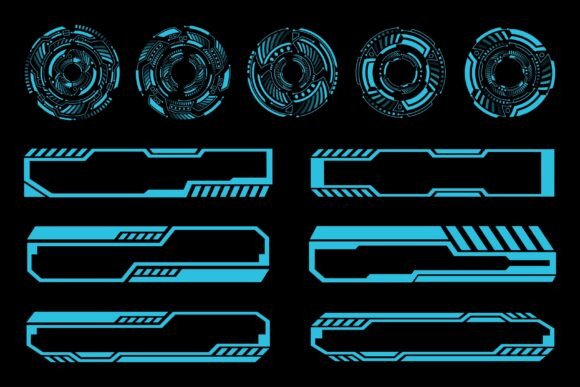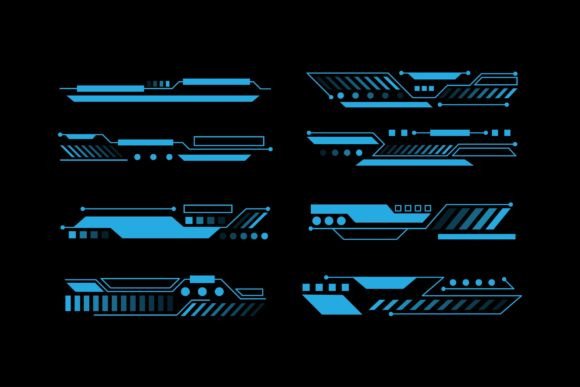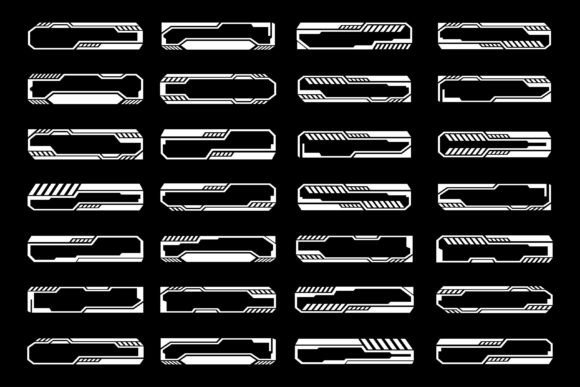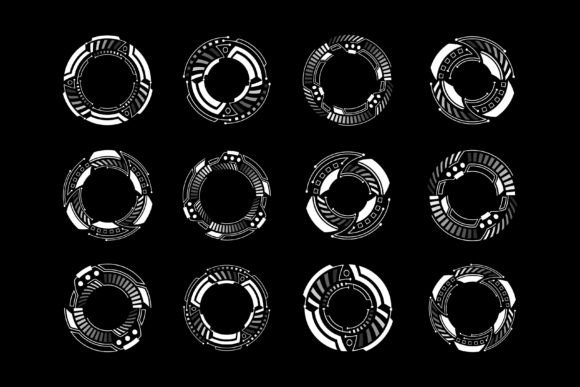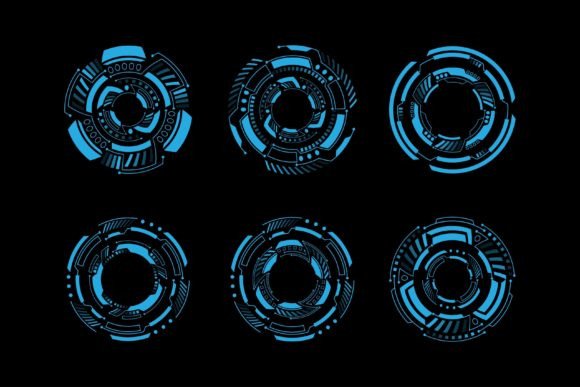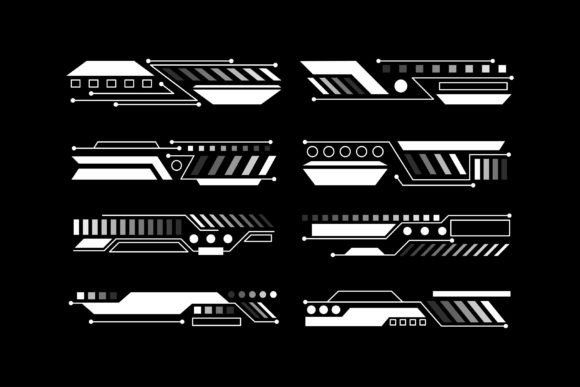
Futuristic Hud Cyber Element Interface
In the rapidly evolving landscape of digital and print design, the demand for high-tech aesthetics continues to surge. The Futuristic Hud Cyber Element Interface represents more than just a visual trend; it is a functional toolkit that brings the sleek, data-driven look of science fiction into tangible reality. Whether you are crafting a movie poster, designing a dashboard for a software application, or creating unique merchandise, these interface elements provide the structural backbone needed to convey sophistication, precision, and forward-thinking innovation.
These designs are not merely static images. They are versatile assets delivered in both Vector and JPG formats, ensuring compatibility across a wide spectrum of projects. For those who need to scale graphics without losing quality or require precise editing capabilities, the vector format is indispensable. This flexibility allows creators to adapt the Hud futuristic frames user interface element to fit specific dimensions, color schemes, and project requirements effortlessly.
Understanding the Design Philosophy
The core appeal of a Futuristic Hud Cyber Element Interface lies in its ability to communicate complexity with clarity. Head-Up Displays (HUDs), originally developed for aviation and military applications, have transcended their technical origins to become a staple in modern graphic design. They utilize geometric lines, grid systems, data readouts, and glowing accents to create a sense of depth and interactivity.
When you acquire this design pack, you are receiving a collection of modular components. These include corner brackets, central targeting reticles, status bars, and decorative borders. Each element is crafted to work independently or as part of a cohesive system. The inclusion of both Vector and JPG files ensures that whether you are working on a massive billboard or a tiny mobile app icon, the integrity of the design remains intact.
Why Different Audiences Value These Elements
The utility of these cyber elements varies significantly depending on the user's background and goals. A beginner designer might see them as a shortcut to achieving a professional look, while an experienced creative director might value them as a foundation for complex branding campaigns. Let’s explore how different groups can leverage these tools effectively.
- Beginners and Hobbyists: For those new to design software, starting from scratch can be daunting. Pre-made Hud futuristic frames offer a structured starting point. Instead of spending hours drawing perfect circles or aligning grid lines, beginners can import these vectors and focus on learning composition, typography, and color theory. It serves as an educational tool, demonstrating how professional layouts are constructed.
- Freelancers and Small Business Owners: Time is a critical currency for freelancers. When a client requests a "tech-savvy" logo or a promotional flyer for a gaming event, having a library of ready-to-use elements accelerates the workflow. It reduces the time spent on asset creation, allowing more time for client communication and strategy. The ability to modify these elements means each deliverable feels custom-tailored, even when built from a template.
- Professional Creators and Marketers: For professionals, the priority shifts to brand consistency and scalability. The vector nature of the Futuristic Hud Cyber Element Interface allows for infinite scaling. A marketer designing a campaign that spans social media ads, email headers, and outdoor billboards can use the same source file without worrying about pixelation. Furthermore, the clean lines and modular nature of HUD elements make them excellent for infographics, where data visualization needs to be both attractive and legible.
- Educators and Content Creators: Teachers and YouTubers often need visually engaging materials to explain complex topics. Using a cyber interface frame around a video thumbnail or within a presentation slide can instantly signal that the content is modern and relevant. It captures attention in a crowded digital space, making the information feel urgent and important.
Technical Flexibility and Workflow Integration
One of the most significant advantages of this design pack is the delivery format. The files come compressed in a single ZIP file, containing both the editable vector sources and high-resolution raster images. To access these resources, users simply need to extract the archive using standard utilities like WinZIP, WinRAR, or by double-clicking the file in most modern operating systems.
Once extracted, the true power of the Hud futuristic frames user interface element becomes apparent through integration with industry-standard software. Since the primary files are vectors, they are fully compatible with applications like Adobe Illustrator, CorelDRAW, or Inkscape. This opens up a world of customization:
- Color Customization: You can change the neon blues and greens typical of cyber designs to match your brand's palette. Whether you need a warm orange for a construction tech theme or a deep purple for a fantasy sci-fi setting, the vector paths allow for instant recoloring.
- Structural Modification: Need to extend a line? Remove a specific data node? Because the elements are vector-based, you can manipulate individual anchor points. This level of control ensures that the design fits perfectly within your layout constraints.
- Layer Management: Professional workflows often require separating elements for animation or interactive web design. The organized layers within the vector files make it easy to isolate specific parts of the interface for motion graphics or UI/UX prototyping.
Evaluating Suitability for Your Project
Before integrating a Futuristic Hud Cyber Element Interface into your workflow, it is essential to assess whether it aligns with your specific project goals. Not every design requires a high-tech aesthetic. However, if your audience values innovation, speed, and precision, these elements are highly effective.
Consider the context of your work. If you are designing for a medical technology firm, the clean, sterile lines of a HUD can reinforce trust and accuracy. For a gaming startup, the aggressive angles and glowing effects can evoke excitement and immersion. Conversely, for a traditional organic food brand, this style might feel out of place unless used ironically or for a very specific sub-campaign.
Cost-effectiveness is another factor. Purchasing or downloading a comprehensive pack like this is often more economical than commissioning a custom illustration for every project. The long-term usefulness of vector assets cannot be overstated; once you have the file, you own it forever. You can reuse, remix, and repurpose the elements across years of projects, amortizing the initial investment over countless designs.
Practical Applications in Print and Digital Media
The versatility of these elements extends beyond screen design. In print media, the sharpness of vector graphics ensures that even large-format prints remain crisp. Imagine a trade show banner where the Hud futuristic frames surround product specifications, drawing the eye immediately to key features. Or consider a book cover for a dystopian novel, where the interface elements create a window into the story's world.
For decoration and physical products, these designs translate well onto merchandise. T-shirts, stickers, and phone cases featuring cyber interface art appeal to a niche but passionate demographic. The high-contrast nature of HUD designs makes them particularly striking when printed on dark backgrounds, enhancing visibility and impact.
Ultimately, the Futuristic Hud Cyber Element Interface is a bridge between imagination and execution. It empowers creators at all levels to produce work that feels cutting-edge without requiring advanced drafting skills. By understanding the strengths of vector formats and the psychological impact of cyber aesthetics, you can make informed decisions about when and how to deploy these powerful design tools. Whether you are extracting a ZIP file for the first time or refining a complex vector path, these elements serve as a reliable foundation for building the visual language of tomorrow.