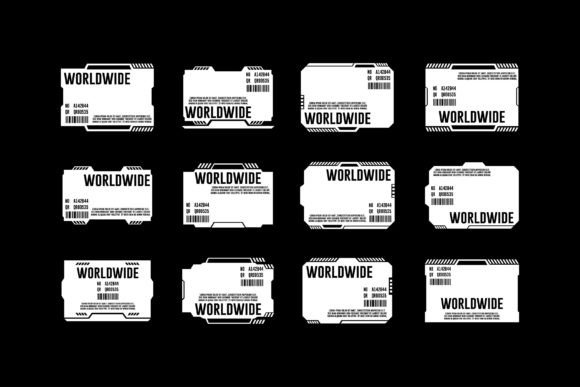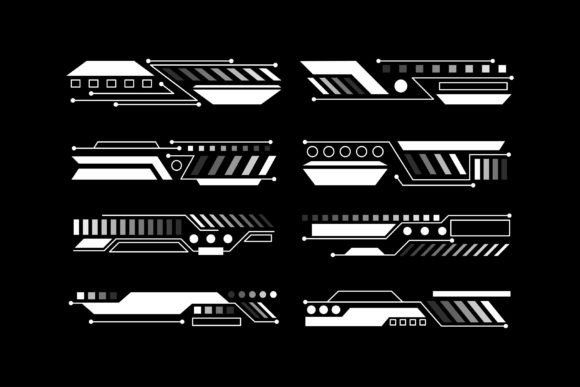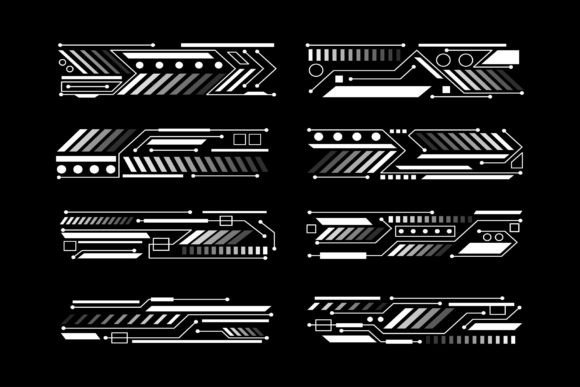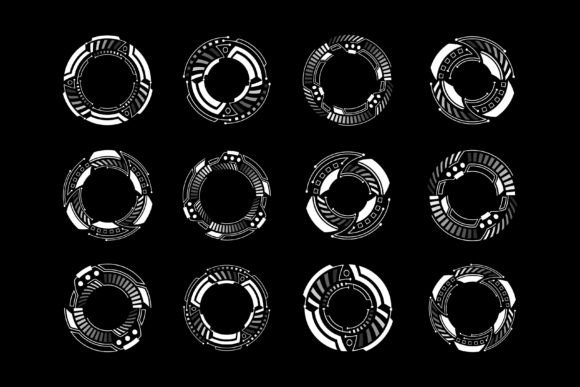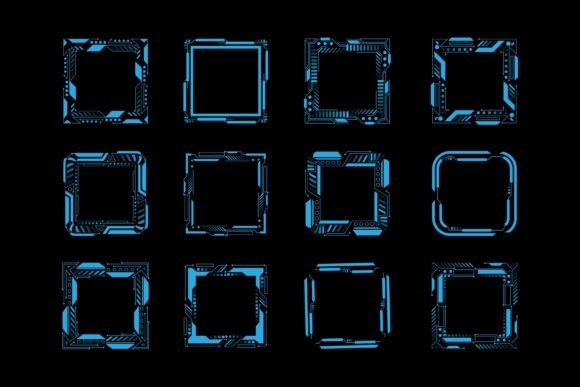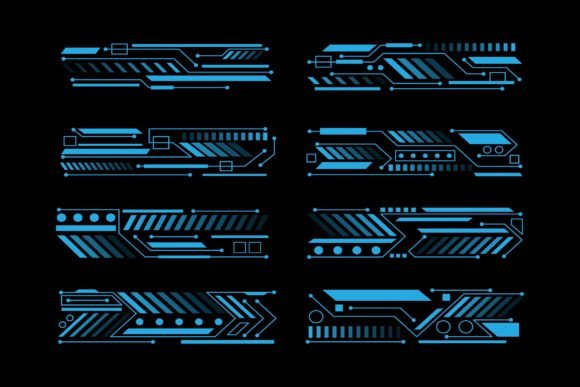
Futuristic Technology Frames Hud Element
In the visual language of modern design, nothing communicates innovation quite like a well-crafted Heads-Up Display (HUD). These digital overlays, originally born from aviation and military technology, have evolved into essential aesthetic markers for anything ranging from video game interfaces to high-end marketing materials. The Futuristic Technology Frames Hud Element represents more than just a decorative border; it is a structural component that frames content with a sense of advanced capability and forward-thinking vision. Whether you are crafting a presentation slide or designing a product package, these elements provide an immediate context of sophistication.
The Anatomy of a Modern Interface Element
At its core, this design asset consists of geometric shapes, data visualization lines, and angular borders that mimic the look of a computer interface projected onto glass. Unlike static clip art, a true HUD element is built on logic and structure. It often features corner brackets, scanning lines, and modular sections that suggest where information would live in a real-world application. When you download this specific resource, you are receiving a toolkit designed to transform flat layouts into immersive experiences.
The versatility of the Futuristic Technology Frames Hud Element lies in its adaptability. Because the files are provided in both Vector and JPG formats, they serve two distinct purposes. The JPG version offers a quick preview or a ready-to-use image for projects where editing isn't required. However, the true power resides in the vector file. This format allows the design to be scaled infinitely without losing clarity, ensuring that whether the frame appears on a business card or a billboard, the lines remain crisp and the details sharp.
Why Different Audiences Value HUD Designs
The appeal of futuristic framing extends across various demographics, but the motivation differs significantly based on one's role. For a beginner designer, these elements offer a shortcut to professional-looking results. Instead of spending hours drawing complex geometric patterns from scratch, a novice can integrate a pre-made HUD frame to instantly elevate a simple project. It provides a learning opportunity to see how professionals construct layers, manage transparency, and balance negative space.
Professionals and freelancers, on the other hand, value these assets for their efficiency and customization potential. In a fast-paced agency environment, time is currency. A freelancer might need to deliver a tech-themed pitch deck by tomorrow morning. Using a high-quality vector HUD frame allows them to focus on the client's actual content rather than getting bogged down in creating background graphics. They can modify colors to match brand guidelines, adjust line weights, or remove unnecessary segments to fit specific text blocks, all within minutes using software like Adobe Illustrator.
Educators and content creators find unique utility in these designs as well. In a classroom setting, a teacher explaining cybersecurity or artificial intelligence can use these frames to make slides more engaging for students. The visual cue of a "tech" frame helps signal that the topic is modern and relevant. Similarly, bloggers and YouTubers often need custom thumbnails or banner images that stand out in a crowded feed. A futuristic frame acts as a visual hook, promising high-tech insights or cutting-edge reviews before the user even clicks.
Practical Applications Across Industries
Understanding how to apply these elements effectively requires looking at the specific goals of different industries. For small business owners in the tech sector, such as app developers or SaaS startups, branding consistency is paramount. A generic stock photo might not align with their company identity, but a customizable HUD frame can be tweaked to reflect their specific color palette and logo placement. This creates a cohesive visual identity that suggests reliability and expertise.
Marketers and publishers often rely on strong visuals to capture attention in print and digital ads. A brochure for a new smart home device, for example, benefits immensely from a layout that feels integrated with the technology being sold. By placing product images inside a Futuristic Technology Frames Hud Element, the marketing material tells a story of connectivity and control. The frame doesn't just hold the picture; it contextualizes it as part of a larger, intelligent ecosystem.
Even hobbyists and gamers utilize these designs. A hobbyist creating a personal portfolio website or a fan making custom artwork for a sci-fi convention can use these vectors to create authentic-looking in-universe documents or character profiles. The ability to edit the vector file means they can add their own fictional data points, status bars, or warning messages, turning a standard graphic into a piece of world-building lore.
Evaluating Quality and Flexibility
When deciding if this specific design resource fits your needs, several factors come into play beyond just the visual style. Ease of use is critical. Since the files are compressed into a single ZIP file, the first step involves extraction using tools like WinZIP, WinRAR, or simply double-clicking on most modern operating systems. Once extracted, the workflow depends on your technical skill level. If you are comfortable with vector editing applications, the flexibility is nearly unlimited. You can ungroup elements, change stroke widths, and alter anchor points to suit your exact specifications.
Cost-effectiveness is another priority. Purchasing a comprehensive pack that includes both editable vector files and high-resolution JPGs often saves money compared to hiring a graphic designer for a one-off illustration or buying multiple individual assets. For long-term usefulness, the vector format ensures that the asset remains viable years down the line, regardless of changes in screen resolution standards or print requirements.
Creativity and presentation are also enhanced by the modularity of these frames. They are not rigid boxes; they are building blocks. A creative director might combine multiple HUD elements to create a complex dashboard layout for a keynote presentation. An entrepreneur might use a simplified version for a clean, minimalist logo lockup. The key is recognizing that the element serves the content, not the other way around.
Matching the Tool to Your Project
Determining whether the Futuristic Technology Frames Hud Element is right for your current project starts with a clear definition of your goals. If you need a quick, non-editable image for a social media post, the included JPG files will suffice. However, if you are working on a print run for a magazine, a book cover, or a large-scale event banner, the vector files are indispensable. Print production demands high resolution, and raster images (like JPGs) can become pixelated when enlarged. Vectors solve this problem entirely.
Consider your audience's expectations. If you are presenting to investors in the blockchain or AI space, a polished, tech-forward aesthetic is not just nice to have; it is expected. Using a generic border might undermine the credibility of your proposal. Conversely, if your project is about organic gardening or vintage fashion, a futuristic HUD frame would likely clash with the theme and confuse the message. Context is everything.
Ultimately, this design resource bridges the gap between raw creativity and technical execution. It empowers beginners to achieve professional results while giving experts the raw materials to push their boundaries further. Whether you are extracting the ZIP file to start a new campaign, refining a vector path for a client, or simply exploring the possibilities of digital interface design, these elements provide a solid foundation. They turn abstract concepts of "the future" into tangible, usable design components that communicate speed, intelligence, and precision.